
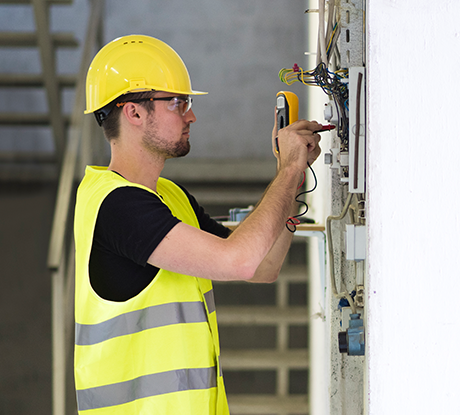
 Electrical Safety
This course is aimed at staff working within the National Health Service delivering front-line electrical maintenance and carrying out installation work, who need to be aware of the requirements of the Health Technical Memorandums that are applicable to what they do (Competent Person LV or LVCP).
We offer a comprehensive range of electrical training, from basic electrical awareness through to advanced technical and operational training. Courses cover electrical safety, safe isolation, electrical principles, electrical regulations, risk assessment, inspection and testing, and electrical maintenance.
Our electrical training courses are designed for a wide range of personnel, including electricians, electrical engineers, maintenance technicians, supervisors, managers, duty holders and individuals with little or no electrical experience. We offer courses suitable for different levels of knowledge and responsibility.
Not necessarily. We offer introductory courses for individuals with little or no electrical experience, as well as more advanced programmes for experienced electrical personnel. Each course has its own entry requirements, which are detailed on the individual course page.
The most appropriate course depends on your existing knowledge, job responsibilities and the activities you undertake. Our team can help identify the right programme based on your experience, competency requirements and training objectives.
We offer a selection of accredited and assured programmes, including City & Guilds Certified and City & Guilds Assured courses. Other courses are delivered as specialist training programmes with ESUK certification or certification through the relevant awarding body, depending on the course.
Yes. Successful delegates receive certification in accordance with the requirements of the individual course. Where a course includes a formal qualification or awarding-body assessment, the relevant certification arrangements will be explained before booking.
Our courses combine classroom-based learning with practical activities where appropriate. Some programmes are predominantly theoretical, while others include hands-on exercises, practical assessments and demonstrations to help delegates apply their knowledge in the workplace.
Yes. ESUK offers online training for selected courses via Microsoft Teams, allowing delegates to access training remotely without needing to travel to a training centre. Online delivery provides the same expert instruction and interactive learning experience as our classroom-based courses, where the course content and practical requirements allow. Some courses require practical activities or assessments that are best delivered face-to-face, so please contact our training team to confirm whether your chosen course is suitable for online delivery.
Yes. Many of our electrical training courses can be delivered on-site, subject to the course requirements and availability. This can be particularly beneficial for organisations training multiple employees or wishing to incorporate their own equipment, procedures and working practices.
Yes. We specialise in developing bespoke training programmes tailored to individual organisations. We can adapt existing course content or develop a completely new programme to reflect your electrical systems, equipment, procedures, risks and competency requirements.
Health Technical Memorandum (HTM) 06-02 provides guidance on electrical safety in healthcare premises. It sets out requirements and recommendations for the management and operation of electrical systems within healthcare environments.
The course is aimed at NHS personnel and other individuals involved in electrical maintenance and installation activities within healthcare premises. It is particularly relevant to those undertaking or supporting Competent Person LV responsibilities.
Electrical safety within healthcare environments requires consideration of the specific risks associated with medical locations, critical electrical supplies and continuity of essential services. Understanding HTM 06-02 helps relevant personnel recognise their responsibilities and apply appropriate electrical safety practices.
Our team can help identify the most appropriate training based on employees’ existing experience, job responsibilities, electrical systems and operational risks. We can also undertake competency assessments and recommend suitable training pathways.
Yes. Please contact our training team to discuss available courses, upcoming dates and delegate requirements.
Yes. We can provide group training, either at our training facilities or at your premises, subject to the course and delivery requirements.
Course prices vary depending on the subject, duration, accreditation requirements, number of delegates and delivery location. Please contact us for a quotation tailored to your requirements.
Certificate arrangements depend on the course and its accreditation requirements. We will confirm the assessment and certification arrangements when discussing your chosen programme.
Simply contact our team by telephone, email or through our website enquiry form. We will discuss your requirements and provide a proposal outlining the recommended solution.
It is helpful to provide details of the service or training required, the number of employees involved, their existing experience, your preferred delivery location and any specific operational or site requirements. This allows us to recommend the most appropriate solution.
Yes. Bespoke training is one of our key strengths. We work with organisations to develop training programmes that reflect their specific equipment, electrical systems, working practices, safety rules and operational requirements.
Yes. We can tailor existing courses to incorporate your organisation’s specific safety rules, procedures, equipment and working practices. This helps ensure that training is relevant, practical and directly applicable to employees’ day-to-day responsibilities.
Yes. Where an existing course does not meet your requirements, we can develop a completely bespoke programme, including course content, learning objectives, training materials and delegate assessments.
Yes. We undertake competency assessments to help employers establish whether employees have the necessary knowledge, skills and practical ability to undertake their roles safely and effectively. We can also recommend suitable training and development to address any identified gaps.
Yes. We can develop bespoke training packages, including presentations, trainer notes and delegate assessments. These can be provided for delivery by your own internal training team or delivered by one of our experienced trainers.
Yes. We deliver training to individuals ranging from those with little or no electrical experience through to experienced electricians, engineers, managers and HV specialists. We can adapt the content and level of detail to suit the delegates’ existing knowledge and responsibilities.
Yes. We can deliver training at your own premises, allowing programmes to be tailored around your workplace, equipment and operational environment. This can also be a cost-effective solution for organisations training multiple employees.
We can discuss online and blended learning solutions depending on the course subject, practical requirements and learning objectives. We will recommend the most appropriate delivery method for your organisation.
Yes. We can work with organisations to establish consistent training and competency requirements across multiple locations, incorporating site-specific requirements and global standards where necessary.