
In today’s evolving industrial workplace, ensuring your team’s electrical safety competence is essential. ESUK Core Training provides targeted programmes designed to bridge skill gaps, improve workplace safety, and foster regulatory compliance.

Choosing the right electrical safety training can raise important questions. At ESUK Core, we regularly speak to organisations who want clarity on course suitability, delivery methods, and compliance requirements. Below, we address some of the most common questions to help you make informed decisions.
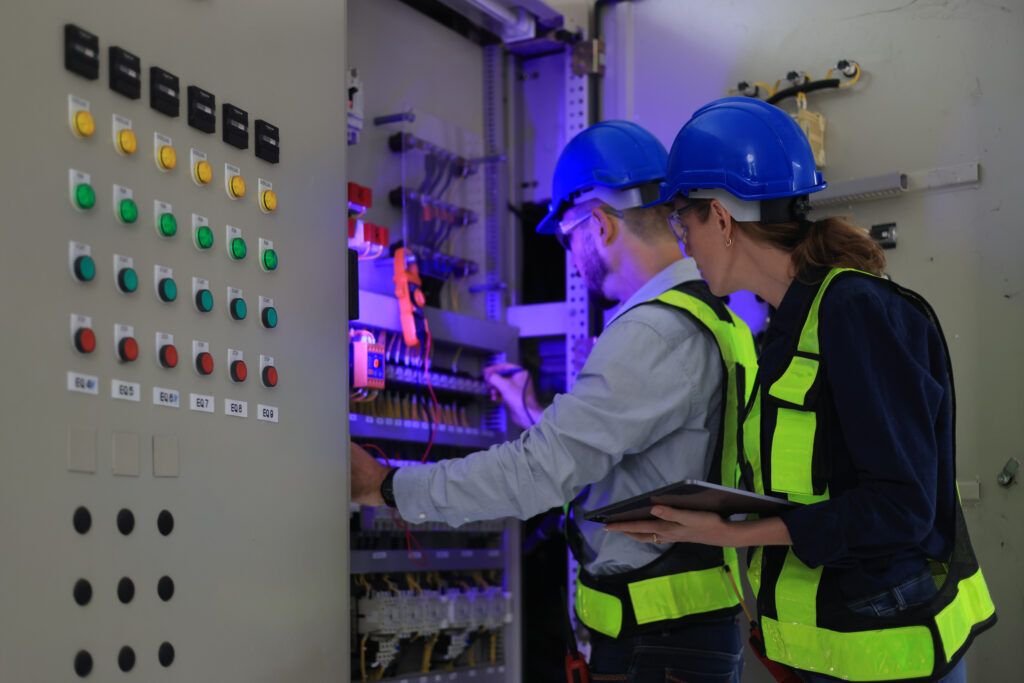
In recent years, insurers have dramatically tightened their expectations around electrical safety, particularly when it comes to arc flash hazards. For many facility owners, plant managers, and engineering leaders, these new requirements can feel like yet another compliance hurdle. But behind the pressure lies a clear trend: insurers want documented proof that companies are actively reducing electrical risk, and arc flash compliance has become a major factor in underwriting decisions.

As electrical systems become more complex, the risks associated with poor decision-making, outdated knowledge, or insufficient competence increase significantly. Advanced electrical training and certification play a critical role in ensuring that those responsible for complex systems have the skills, authority, and confidence to work safely and compliantly.

Electrical safety is not static. Systems change, standards evolve, and roles develop over time. Ongoing training ensures that competence is maintained, risks are controlled, and organisations remain compliant as their operations grow and change.

In today’s Food Industry, electrical safety is no longer optional — it is a strategic necessity. As organisations continue to modernise their electrical infrastructure, the risks associated with fault currents, arc flash events, and equipment degradation have become increasingly significant. A recent Arc Flash Risk Assessment undertaken by our engineering team at a global food manufacturer highlights just how critical structured electrical safety management has become.