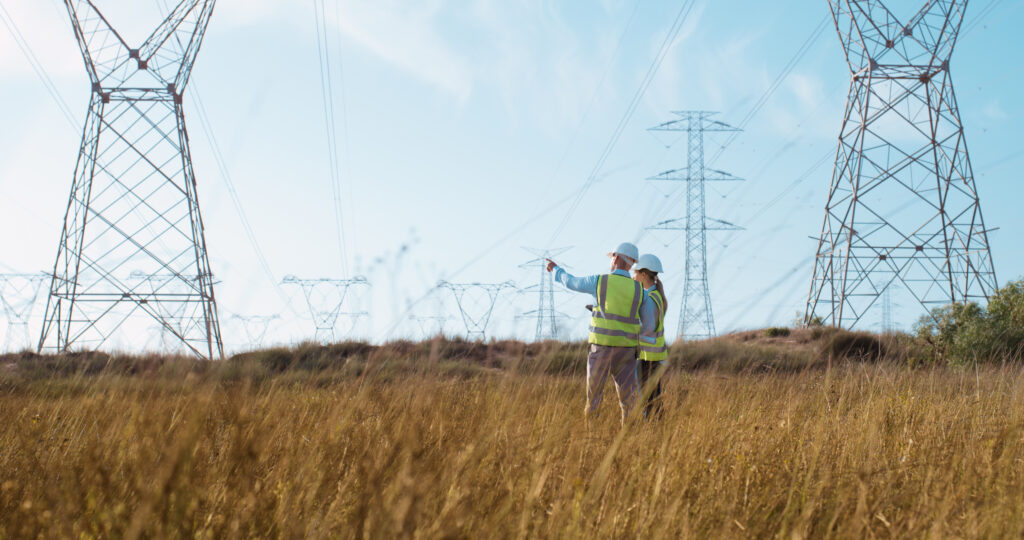
Arc flash PPE has become the default control measure and within the United States, until recently, was the prescribed control measure. However, within the UK and within Europe, this is not the case and legally (through Regulation 4 and Schedule 1 of the Management of Health and Safety at Work Re ...
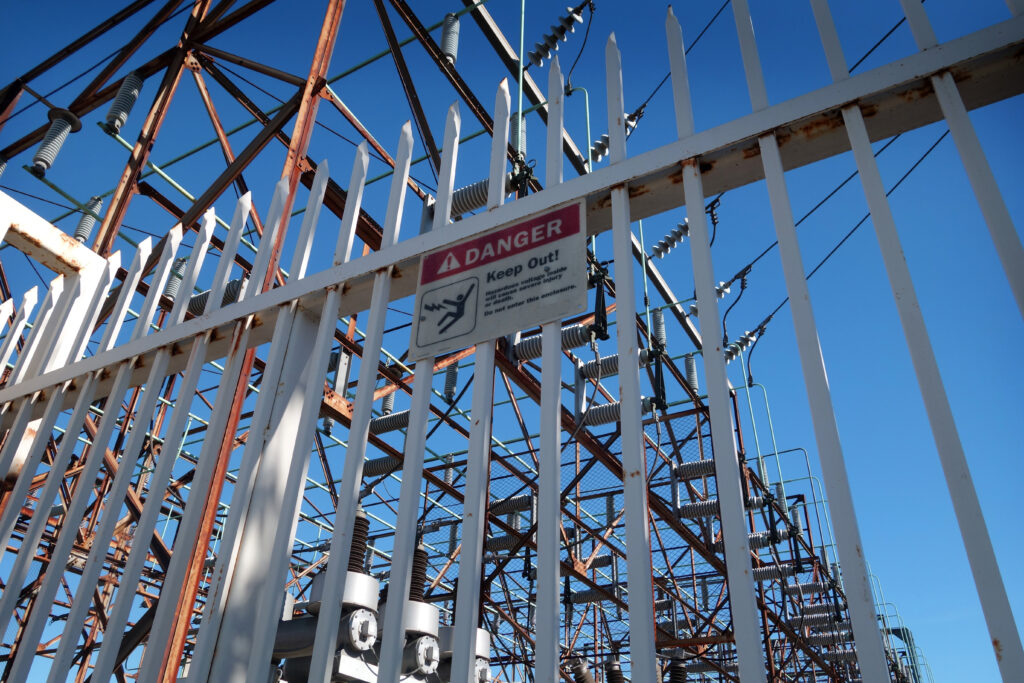
Electricity is a hazard, as it is dangerous and may cause harm. If properly managed, the likelihood of electrical hazards is minimal, but the severity when things go wrong can be fatality or life-changing.

One question we are often asked is, what should an ESMS contain? This has prompted me to write a series of articles looking at the different aspects of these vital documents. Here is the third article in that series.

The advent of the 18th Edition IET Wiring Regulations (BS 7671:2018) saw the introduction of Arc Fault Detection Devices, to which people quickly recognised that the requirement was a recommendation only which in many cases led to the requirement being largely ignored. As Amendment 2 of BS 7671 came into force this year, that original recommendation changed- in some instances, with it remaining a recommendation in many cases.

Electrical Safety UK have helped many companies in different industries in a number of locations around the World to improve their electrical safety management systems. In this article we are going to focus on Solar Farms and discuss whether there any hazards that may be specific to that industry.

The electrical risks within the rail industry are frequently underestimated, as is the broader network supporting the rail sector, we see around us. The danger is never far away, as many lines are electrified with overhead gantries carrying 25,000 volts a.c., and the innocent looking third rail at ground level that allows 750 volts d.c.