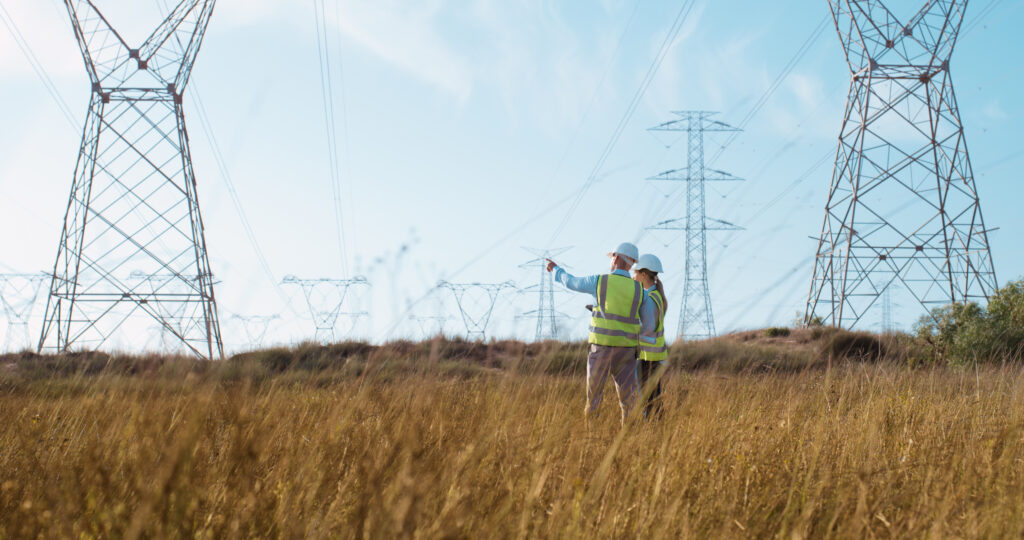
In the high-stakes world of aerospace engineering and manufacturing, safety is not just a priority—it’s a necessity. Among the many electrical hazards present in aerospace facilities, arc flash stands out as one of the most dangerous and least understood. Managing this risk effectively is essential not only for regulatory compliance but also for protecting lives, assets, and mission-critical operations.

Mining and quarrying operations are among the most electrically intensive industries, with high-powered equipment, harsh environments, and complex electrical systems. Yet, one of the most underestimated hazards in these settings is the arc flash - a sudden release of electrical energy through the air that can cause catastrophic injuries, equipment damage, and operational downtime.
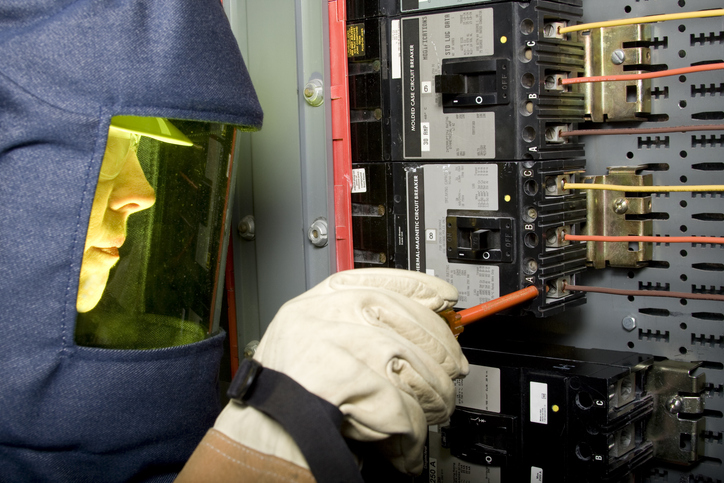
Arc flash incidents pose a significant threat to electrical workers, with potential consequences including severe burns, blindness, and even death. These dangers can be mitigated by one of the most vital elements of workplace safety: Personal Protective Equipment (PPE). In this post, we’ll delve into why PPE is crucial when working with electrical systems, and how the right gear can save lives.

Scheduled maintenance is often the unsung hero of electrical safety and efficiency. When managed correctly, it can extend the life of equipment, reduce safety hazards, and ensure that systems remain compliant with safety regulations. In this article, we will explore the core electrical principles that underpin the need for regular maintenance, as well as the best practices for maintaining your electrical systems.

A GESS is a single document or suite of documents which describes the arrangements that are in place to ensure the safe operation of your company’s electrical systems throughout their lifecycle.
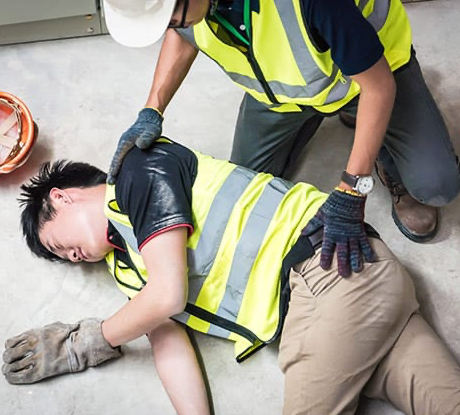
In the vast landscape of modern industry, few sectors are as vital and potentially hazardous as the electrical industry. From power generation and transmission to installation and maintenance, the daily routines of electricians, technicians and engineers are woven with risks that demand a culture of vigilance, technical expertise, and proactive safety. Perhaps the most critical, and sometimes underestimated pillar in this edifice of safety is first aid training. Its importance cannot be overstated, not simply as a regulatory requirement but as a lifeline that empowers individuals to act swiftly and decisively in moments where every second counts. And when undertaking work on or near to electrical systems circumstances can change dramatically within a split second.