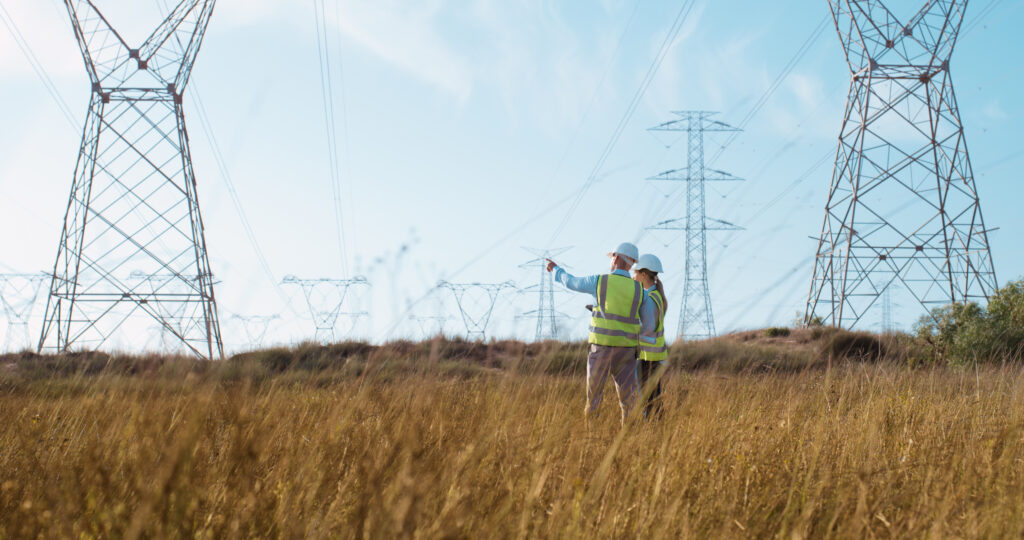
Arc flash remains one of the most misunderstood yet potentially catastrophic electrical hazards in industrial environments. It is often treated as a compliance exercise or a problem reserved for “older” installations. Our recent Arc Flash Risk Assessment (AFRA) for a pharmaceutical facility in the UK reinforced a reality we see repeatedly across regulated industries.
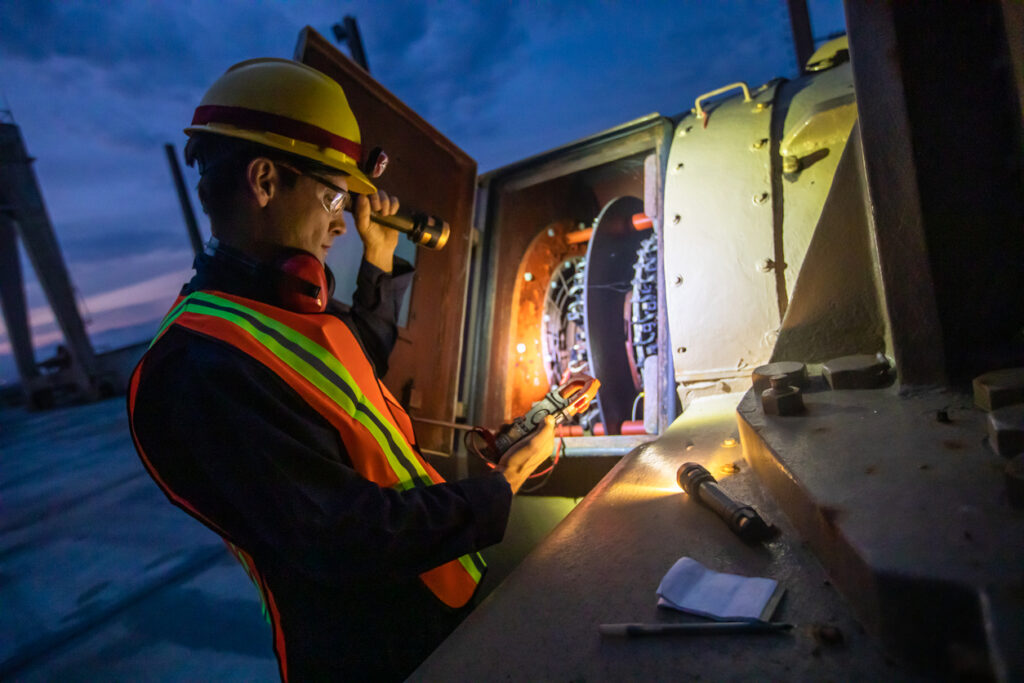
As the calendar turns on 2025, it’s time to reflect on the vital role electrical safety training has played in shaping safer workplaces across the UK. This Year-End Review highlights key insights, trends, and recommendations to ensure your team is well-equipped for the challenges ahead.

In the electrical industry, safety cannot be viewed as a static target. Technology evolves, systems age, organisational structures shift, and workforce behaviours change. In this environment, Continuous Improvement (CI) isn’t just a management philosophy — it’s a crucial pillar of a resilient and forward‑looking electrical safety strategy.

In electrical safety, quality isn’t demonstrated by statements or certifications alone — it’s demonstrated by how consistently risk is managed across every service an organisation delivers.

In many organisations, electrical safety is assumed to sit with the engineering team. In others, it’s considered a health and safety function. Sometimes, responsibility is quietly pushed down the chain without clear ownership.

Arc flash remains one of the most misunderstood yet potentially catastrophic electrical hazards in industrial environments. It is often treated as a compliance exercise or a problem reserved for “older” installations. Our recent Arc Flash Risk Assessment (AFRA) for a pharmaceutical facility in the UK reinforced a reality we see repeatedly across regulated industries.