

 Back to news

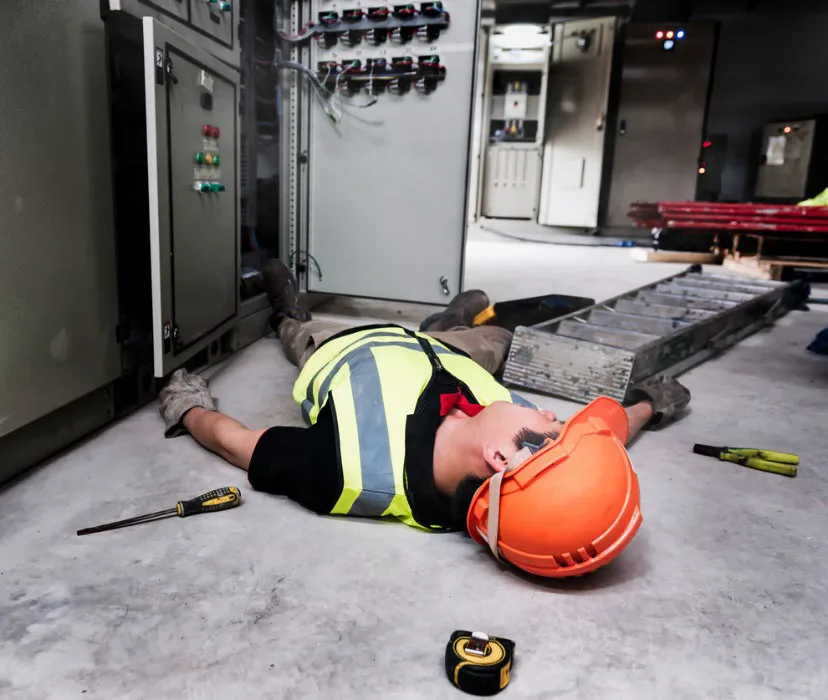
Arc flash remains one of the most misunderstood yet potentially catastrophic electrical hazards in industrial environments. It is often treated as a compliance exercise or a problem reserved for “older” installations. Our recent Arc Flash Risk Assessment (AFRA) for a pharmaceutical facility in the UK reinforced a reality we see repeatedly across regulated industries:
Arc‑flash risk is driven less by fault level alone and more by how electrical systems are designed, operated, maintained, and controlled over time.
This study was not about ticking boxes. It was about understanding real risk, quantifying it properly, and identifying what could practically be done to reduce it.
Why our client Commissioned an Arc Flash Study
Like many pharmaceutical and life‑science facilities, our client operates a complex electrical network supporting critical processes, specialist plant, and business‑critical operations. While electrical systems are generally reliable, arc flash events are low‑probability but high‑consequence, and UK duty holders are increasingly expected to show that such risks are being actively managed.
Our client commissioned the study to:
- Gain a quantified understanding of arc‑flash incident energy
- Identify where personnel could realistically be exposed
- Confirm whether existing controls were effective
- Align electrical safety practices with current good engineering practice and ALARP expectations
This approach reflects a growing maturity in how electrical safety is being handled in the UK—moving beyond generic PPE rules and towards evidence‑based risk control.
What the Study Involved
The assessment covered HV and LV equipment across the site, focusing on:
- Three‑phase equipment above defined protection thresholds
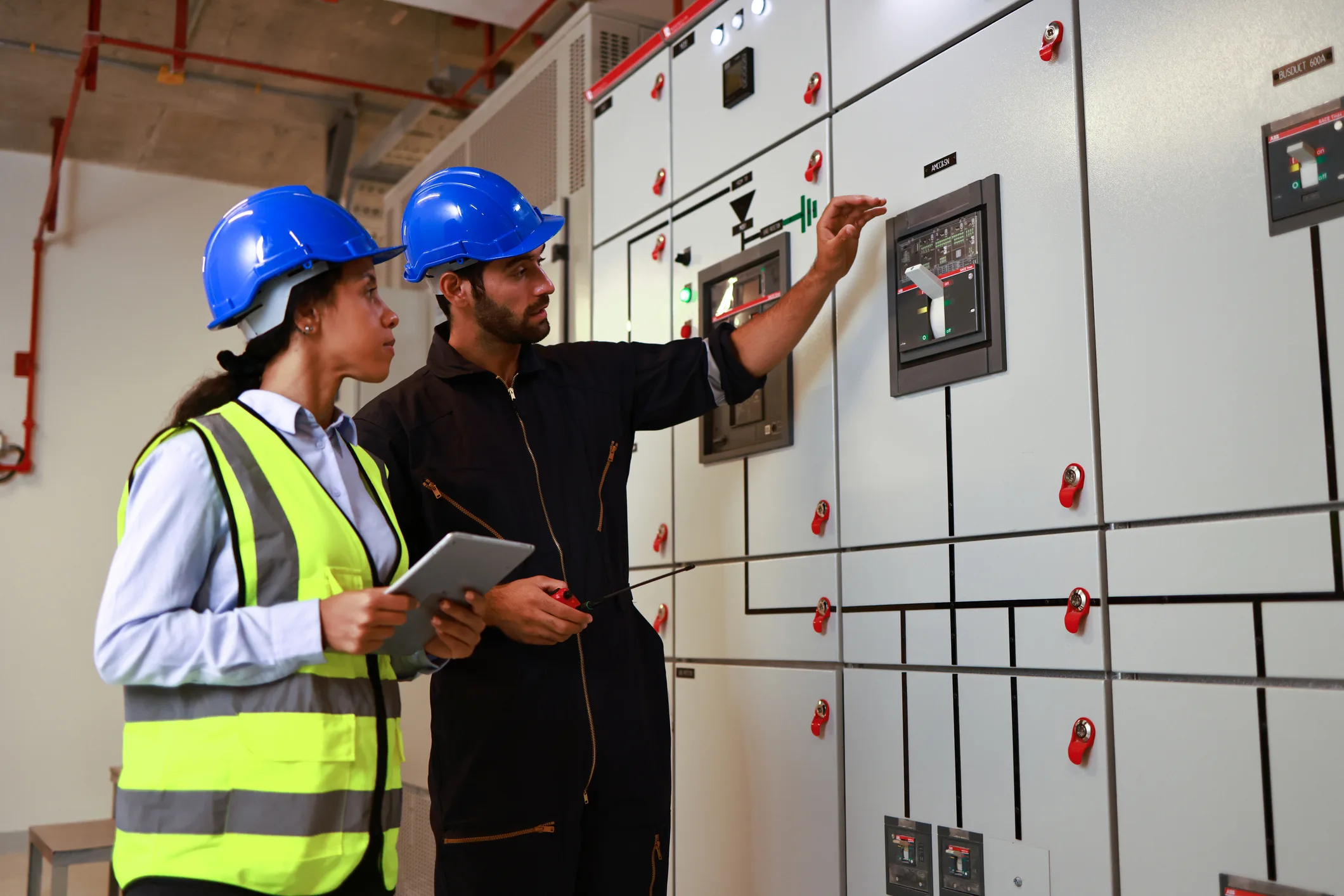
- Switchboards, distribution boards, MCCs, and major panels
- Normal and foreseeable live‑work scenarios
The study included:
- A short‑circuit and fault‑level analysis
- Arc flash incident energy and boundary calculations (to IEEE 1584)
- A simple protection coordination review
- Site‑specific observations of equipment condition and installation integrity
Crucially, the study did not assume that “normal operation equals no risk” by default. Instead, it considered how real‑world factors—such as missing covers, unclear upstream protection, ageing switchgear, or undocumented settings—can materially increase arc‑flash likelihood and severity.
What the Results Showed
Across the network, most of the equipment fell into low or moderate incident energy categories, where arc‑rated PPE would not be required for normal operational tasks if equipment is properly maintained and operated as intended.
However, the study also identified:
- Multiple locations with incident energy greater than 8 cal/cm²
- Some boards with very high prospective incident energy (in excess of 40–80 cal/cm²)
- Scenarios where upstream protection settings were unknown or unverified
- Sections of the network fed from the incoming side of upstream devices, removing opportunities for fast fault clearance
These findings are not unusual in long‑established facilities—but they are only visible once the system is properly modelled and analysed.
The Real Value Wasn’t the Numbers
While incident energy calculations are essential, the real value of the study lay in understanding why certain risks existed and what could realistically be done about them.
Key themes included:
- Protection Coordination Matters
Where protection is not properly coordinated, arc duration—and therefore incident energy—can increase dramatically. In several cases, relatively modest adjustments or further verification of protection settings were identified as potential routes to significant risk reduction.
- Equipment Condition Is a Control Measure
The study highlighted examples where:
- Covers or blanks were missing
- Compartments were open
- Equipment was reaching end of asset life
From an arc‑flash perspective, this is not housekeeping—it is risk control. Poor condition directly increases the likelihood of an arcing fault occurring during routine tasks.
- PPE Is the Last Line of Defence
One of the most important conclusions was that arc‑rated PPE should not be normalised as a default control. Where incident energy exceeded credible thresholds, the study prioritised:
- Eliminating live work where possible
- Engineering solutions to reduce incident energy
- Improved procedures and authorisation
Only then was PPE selection considered, based on calculated—not assumed—energy levels.
ALARP: Turning Engineering into Defensible Decisions
A particularly important element of the study was the analysis of ALARP justification.
Rather than simply listing high‑energy locations, the report:
- Quantified the potential consequences of a credible arc‑flash event
- Considered likelihood over the life of the plant
- Balanced this against the cost and effectiveness of remedial measures
This allowed recommendations to be framed not as “gold plating”, but as proportionate, defensible risk reduction, aligned with UK health and safety expectations.
What This Means for Other Duty Holders
The project mirrors questions we are increasingly asked across manufacturing, pharmaceuticals, utilities, and energy‑intensive sectors:
- Do we know our arc‑flash exposure?
- Are our protection settings still valid after years of change?
- Have practical controls been quietly compromised over time?
- Would our approach stand up to regulatory or incident scrutiny?
Arc‑flash risk rarely appears overnight. It develops slowly as systems evolve, documentation drifts, and temporary arrangements become permanent. A credible arc‑flash study brings those issues into focus—before an incident does.
Final Thought
The most important outcome of the arc‑flash assessment was not a set of labels or tables. It was clarity—about where risk genuinely exists, where it does not, and what actions are justified.
That clarity allows organisations to:
- Protect people more effectively
- Avoid unnecessary PPE reliance
- Make confident, evidence‑based decisions
- Demonstrate leadership in electrical safety
Arc flash may be a rare hazard—but when it occurs, the consequences are immediate and severe. Understanding it properly is no longer optional.
Call to Action
If you have concerns about the management of your arc flash risk, call us on 0800 652 1124 or email us at info@elecsafety.co.uk and make a free, no-obligation appointment with one of our Principal Engineers. We can come out to see you at your place of work if you would find that helpful. There are lots of Case Studies and News articles on our website, click the links to take a look.