

 Back to news

As the UK accelerates its transition to renewable energy, battery energy storage systems (BESS) are becoming critical infrastructure rather than optional technology. They enable flexibility, resilience, and decarbonisation across the power network—but only if they are designed, installed, and operated safely.
What Are Battery Storage Systems?
Battery storage systems allow electrical energy to be stored and used when it is most needed. Typically comprising rechargeable batteries, power conversion equipment, control electronics, and a battery management system, BESS store excess energy generated during periods of high renewable output—such as sunny or windy conditions—and release it during peak demand or low-generation periods.
This capability is fundamental to addressing the intermittency of renewable energy sources like wind and solar.
Battery Storage in the UK and Globally
The UK is seeing rapid growth in standalone and co-located battery storage projects. A leading example is the Thorpe Marsh BESS Project (55-acre site in Doncaster, South Yorkshire) is set to be the largest battery energy storage system in the UK. The site has a rated power of 1.4 GW and 3.1 GWh of battery storage capacity, expected to be operational by mid-2027.
The World’s largest operational BESS facility is Edwards & Sanborn with a rated power of 821 MW and a battery storage capacity of 3280 MWh. Developed by Terra-Gen, the Edwards & Sanborn project is a combination of a solar and energy storage facility in southern Kern County, California, US. The facility integrates large-scale solar power generation with one of the largest battery storage capacities in the world. The project boasts a rated power of 821 MW and about 3.28 GWh of battery storage capacity.
The Benefits of Battery Storage
Battery storage systems offer several key advantages:
- Grid stability: Balancing supply and demand in real time, reducing reliance on fossil-fuelled peaking plant
- Renewable integration: Supporting higher penetration of wind and solar without compromising reliability
- Peak demand management: Reducing strain on the network during periods of highest consumption
- Carbon reduction: Enabling greater utilisation of clean energy in line with the UK’s net-zero commitments
Challenges and Risks
Despite strong momentum, battery storage is not without its challenges:
- Capital cost: Although prices are falling, upfront investment remains significant
- Material dependency: Lithium, cobalt, and other critical minerals raise sustainability and supply-chain concerns
- Asset lifespan: Battery degradation over time affects performance and replacement cycles
- Electrical and fire safety risks: High energy densities introduce hazards such as thermal runaway, fire, chemical release—and critically, arc flash risk
These risks increase significantly where systems are poorly designed, incorrectly installed, or inadequately maintained.
Why Electrical Safety Is Critical
As battery storage deployments scale, electrical safety is a defining factor in their success.
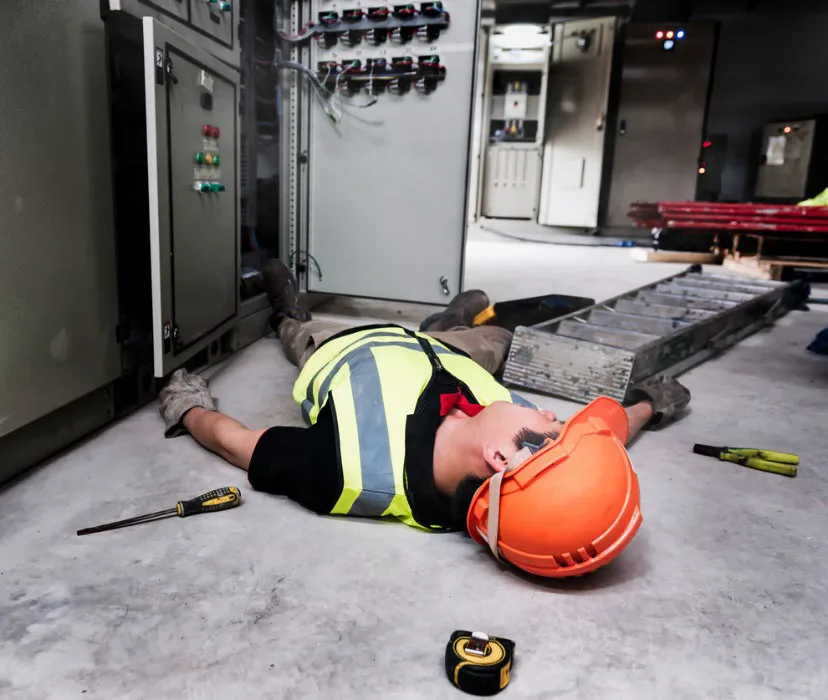
Arc flash incidents, electrical faults, and human error—such as accidental contact with energised components or improper tooling—can result in severe injury, asset damage, and system downtime. Without robust safety procedures, testing regimes, and competent maintenance, even well-designed systems can become high-risk assets.
Adhering to recognised standards, implementing effective engineering controls, and embedding safety at every stage of the lifecycle is essential to maintaining confidence in BESS technology.
Looking Ahead
The outlook for battery storage in the UK is strong. Continued innovation, supportive policy, and declining technology costs will see BESS play an ever-greater role in building a resilient, low‑carbon energy system.
However, this potential will only be fully realised if electrical safety is treated as foundational, not optional.
At ESUK, we support organisations involved in battery storage—from early-stage design through to operation and maintenance—by helping identify electrical hazards, assess arc flash risks, and implement practical, compliant safety measures. This includes risk assessments, hazard analyses, engineering controls, and specialist training for personnel working on or around BESS installations.
By putting safety first, the industry can unlock the long-term value of battery storage and accelerate the UK’s transition to a cleaner, more sustainable energy future.
A Call to Action
In the battery storage industry, personnel safety and operational reliability are non-negotiable. A robust Electrical Safety Management System (ESMS) and Arc flash studies are critical to a comprehensive safety strategy, offering protection, compliance, and operational efficiency. By investing in these systems/studies, managers safeguard their workforce and infrastructure and foster a culture of safety that benefits the entire organisation. Prioritise ESMS and arc flash studies today and proactively step towards a safer and more efficient facility. Your ESMS and arc flash study should be reviewed every 5 years, or sooner, if you are making changes to your electrical system. Take advantage of a free consultation with one of our Principal Consultants to discuss your needs and have your questions answered. We can provide you with a fixed price, no obligation, quotation for your electrical safety needs including training.
Give us a call on 0800 652 1124, email us at info@elecsafety.co.uk or contact us through our website at https://elecsafety.co.uk/about/contact/.