

 Back to news

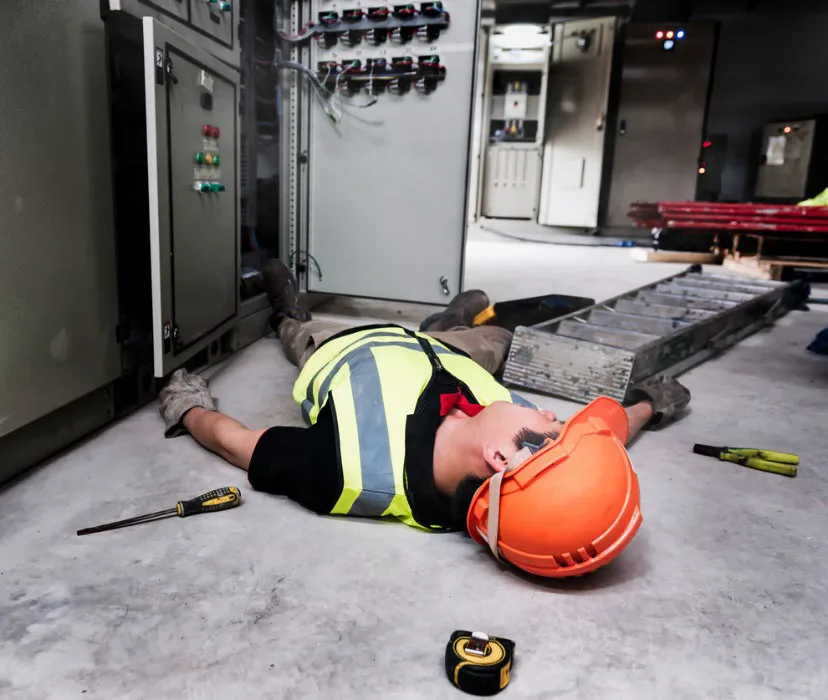
Arc flash is one of the most dangerous electrical hazards in the workplace, yet it is still underestimated in far too many organisations. It can happen in an instant, with devastating consequences: severe burns, blindness, hearing damage, blast injuries, equipment destruction, and even death.
What makes arc flash especially concerning is that nearly all incidents are preventable. They are often the result of a chain of failures involving human behaviour, inadequate maintenance, poor design, missed procedures, or weak safety culture.
What an Arc Flash Actually Is
An arc flash is a rapid release of energy caused by an electrical arc traveling through air between conductors or from a conductor to earth.
Temperatures in an arc flash can reach thousands of degrees Celsius, enough to ignite clothing and cause life-altering injuries in milliseconds.
What Real Incidents Teach Us
If we consider actual arc flash incidents, several recurring themes appear.
- Lack of Verification Before Work Begins
A common factor in incidents is assuming equipment is de-energised when it is not. Workers may rely on labels, assumptions, or incomplete isolation steps instead of properly testing and verifying. Misidentification of equipment can also lead to personnel working on equipment that is live when it was thought to be isolated.
Insight: Never trust status indicators alone. Verify absence of voltage at the point of work using the correct test equipment and procedure – test before touch.
- Inadequate Isolation Discipline
Failures in isolation are frequently involved. This includes incomplete isolation, shared responsibility confusion, and poor documentation.
Insight: Isolation must be a controlled, auditable process—not a checkbox activity.
- Poor Equipment Condition
Loose connections, corrosion, contamination, damaged insulation, and ageing components can all increase arc flash likelihood. Many incidents occur with switchgear that has not been properly inspected or maintained.
Insight: Preventive maintenance is not just reliability work; it is risk reduction work.
- Human Error During Live Work
Some incidents occur during troubleshooting, testing, or tasks performed near exposed live parts. Small mistakes—such as dropped tools, incorrect meter setup, or removing a cover too early—can have huge consequences.
Insight: Live work should be a very rare activity. Consider whether you have a formal written sanction process in place for live working.
- Incomplete Risk Assessment
Some teams underestimate the incident energy or do not fully understand arc flash or PPE requirements.
Insight: Labels are helpful, but they only give you the level of the hazard. Personnel need to be able to use that hazard data in their task-based risk assessments. They also need to be able to recognise if the activity that they are going to carry out could expose them to an arc flash.
The Cost of One Incident
The direct cost of an arc flash can be staggering:
- Medical treatment and rehabilitation
- Lost work time
- Equipment replacement
- Downtime and production loss
- Investigations and legal exposure
- Increased insurance costs
But the human cost is greater. Survivors may live with chronic pain, scarring, trauma, or permanent disability. Families and teams are affected too. A single event can change lives forever.
Prevention Starts With a System
Reducing arc flash risk requires more than PPE. PPE matters, but it is the last line of defence. A strong prevention strategy includes:
- Isolating equipment whenever possible
- Rigorous and disciplined isolation processes
- Proper maintenance and inspection
- Arc flash studies and updated labelling
- Safe work planning and permits
- Competent personnel
- Correct tools and test equipment
- Strong supervision and accountability
- A culture where workers can stop unsafe work
Questions Leaders Should Ask
If you are responsible for electrical safety, ask:
- Are we doing enough to eliminate live work?
- When was our last maintenance review of critical electrical equipment?
- Are arc flash labels current and accurate?
- Do workers truly understand the hazard, or just the PPE requirement?
- Do workers know how to carry out a task-based risk assessment for arc flash hazard?
- Are near-miss events being investigated and learned from?
- Is safety pressure ever causing shortcuts?
These questions can reveal whether an organisation is managing arc flash risk proactively or reactively.
Arc flash incidents are severe, but they are not inevitable. Accidents can be prevented through disciplined procedures, proper maintenance, effective training, and a culture that treats electrical safety as essential—not optional.
If your organisation handles energised electrical equipment, now is the time to review your practices. The best arc flash incident is the one that never happens.
If you have concerns about the management of your arc flash risk, call us on 0800 652 1124 or email us at info@elecsafety.co.uk and make a free, no-obligation appointment with one of our Principal Engineers. We can come out to see you at your place of work if you would find that helpful. There are lots of Case Studies and News articles on our website, click the links to take a look.