

 Back to news

Substation reliability can be compromised by events that seem unlikely, minor or completely outside the design engineer’s control.
For heavy industrial facilities—including refineries, petrochemical plants, steel mills and large manufacturing sites—the consequences of a power interruption can be severe. Lost production, damaged equipment, safety incidents, environmental impacts and reputational harm can quickly multiply the cost of an outage.
A substation designed only to meet today’s power requirements may not deliver the safety, reliability or efficiency needed over its decades-long operating life.
Three principles should guide every industrial substation project.
- Select the right substation configuration
The first step is not choosing equipment. It is understanding the facility’s electrical and process requirements.
Industrial facilities often include large motors, compressors, pumps, drives and other dynamic loads. These loads can create voltage drops, harmonics and power-quality challenges—particularly during motor starting.
A sound design should evaluate:
- Motor types and starting methods
- Direct-on-line, soft-start and variable-frequency-drive applications
- Transformer ratings and voltage regulation
- Short-circuit levels
- Harmonic distortion and resonance
- Required redundancy and availability
- Utility interconnection requirements
- Single-feed, dual-feed, radial or looped utility configurations
Large motor starts, for example, can cause voltage dips that affect other critical loads. In extreme cases, relays may trip, equipment may be damaged and production may be interrupted.
Depending on the application, the solution may include capacitor banks, static synchronous compensators, filters, additional system strength or other voltage-support technologies.
Substation configuration also matters. Options such as double-bus single-breaker, breaker-and-a-half and ring-bus arrangements offer different balances of cost, flexibility, maintainability and redundancy.
The right choice depends on the facility’s risk tolerance and operational priorities.
The key lesson: design the substation around the process it serves—not around a standard configuration selected without considering the plant’s unique requirements.
- Engineer safety into the design
Substations combine high voltage, high fault energy and complex maintenance requirements. While catastrophic events attract the most attention, many workplace injuries occur during routine inspection, testing and maintenance.
The safest substation is one that minimises the need for personnel to be exposed to energised equipment.
Several technologies and design practices can help achieve this goal.
Why an Arc Flash Study Should Come Before Building Design and Construction
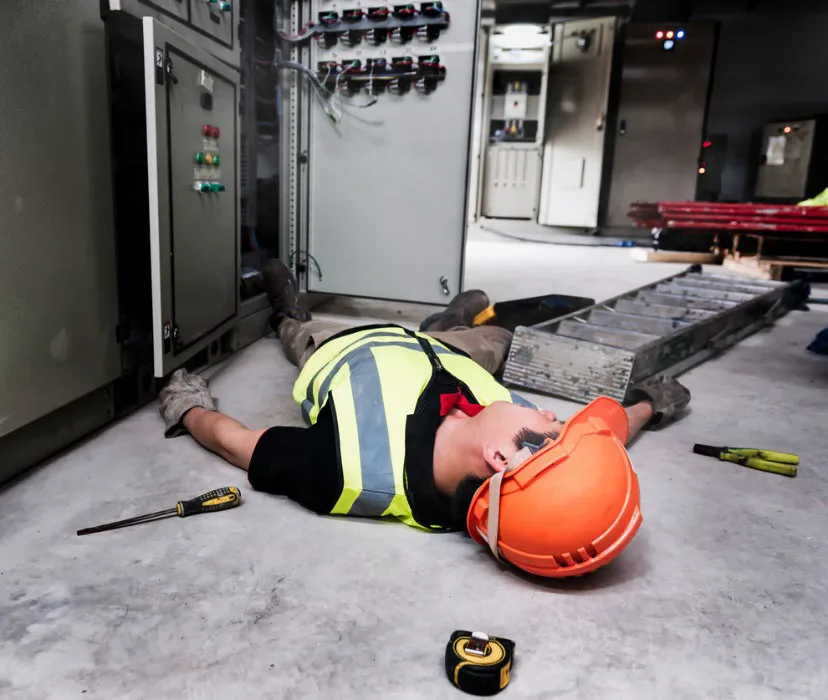
Arc flash is one of the most serious hazards associated with electrical power systems. An arc flash can release intense heat, pressure, molten metal and toxic gases in a fraction of a second, potentially causing severe injury, equipment damage, fire and extended downtime.
For this reason, an arc flash study should not be treated as a document produced after a building has been designed and constructed. It is good practice to begin the study during the early design phase—before electrical equipment, rooms, cable routes and operating arrangements are finalised.
Early consideration allows safety and reliability to be built into the facility rather than added later at significant cost.
Design safety into the electrical system
An arc flash study evaluates how much energy could be released if an electrical fault occurs. It typically considers the utility supply, transformers, switchgear, motor contributions, protective devices, conductor lengths and equipment ratings.
The results can influence fundamental design decisions, including:
- Electrical distribution voltage and system configuration
- Transformer size and impedance
- Switchgear and switchboard ratings
- Busbar arrangements
- Protective-device selection and settings
- Equipment locations and room layouts
- Cable sizes and lengths
- System earthing methods
- Arc-flash mitigation technologies
If these factors are reviewed only after construction, the available options may be limited. The facility may already have undersized rooms, inaccessible equipment, excessive cable lengths or protection settings that are difficult to coordinate.
By completing an initial study early, engineers can compare alternatives and select a system that reduces incident energy while still meeting operational requirements.
Reduce the risk to personnel
The primary purpose of an arc flash study is to protect people. The study identifies the potential incident energy at electrical equipment and helps determine appropriate boundaries, warning labels, work practices and personal protective equipment.
However, labels and PPE are the last line of defence. A better approach is to reduce the hazard through design.
Possible design measures may include:
- Arc-resistant switchgear
- Current-limiting fuses or breakers
- High-speed arc detection and tripping
- Zone-selective interlocking
- Remote switching and racking
- Bus differential protection
- Energy-reducing maintenance settings
- Remote monitoring and condition assessment
These solutions often require space, wiring, control interfaces or specialised equipment. Incorporating them after the building is complete can be expensive and disruptive. Including them during design is usually more practical and cost-effective.
Improve equipment coordination and reliability
An arc flash study is closely linked to short-circuit and protective-device coordination studies. Together, these analyses help ensure that protective devices operate quickly and selectively.
Proper coordination allows the device closest to a fault to operate first, limiting the area affected by an electrical failure. Without coordination, an upstream breaker may trip unnecessarily, disconnecting large portions of the facility and causing avoidable production losses.
Early analysis can also identify:
- Equipment exposed to fault currents above its interrupting rating
- Breakers that may not clear faults quickly enough
- Unacceptable voltage drops
- Unplanned sources of fault current, such as motors or generators
- Protection settings that create excessive incident energy
- Opportunities to improve system resilience and uptime
These findings can affect the overall building design, including the location of electrical rooms, emergency power systems, generators, transformers and critical process loads.
Avoid costly changes and delays
Discovering an arc flash problem late in a project can result in redesign, equipment replacement, construction delays and change orders. In some cases, the facility may need to install additional barriers, replace switchgear, modify rooms or reconfigure the distribution system after construction is complete.
An early study provides the design team with information before major procurement and construction decisions are made. It enables owners, architects, electrical engineers, contractors and equipment suppliers to work from the same safety objectives.
This is particularly important for industrial, commercial and mission-critical facilities where electrical equipment may be difficult to replace once installed.
Treat the study as a design process—not a one-time report
A preliminary arc flash study should be completed using the best available design information. As the project develops, the study should be updated to reflect final equipment selections, utility data, conductor lengths, protective-device settings and as-built conditions.
The final study should verify the completed installation and support:
- Electrical safety training
- Equipment labelling
- Energised-work procedures
- Maintenance planning
- Emergency response
- Future system modifications
Conclusion
Conducting an arc flash study before a building is designed and built is good engineering practice because it allows safety, reliability and maintainability to influence the project from the beginning.
The study can help reduce incident energy, improve protective-device coordination, guide equipment selection, prevent costly redesign and protect personnel from potentially life-changing injuries.
Most importantly, it shifts the focus from reacting to an electrical hazard after construction to preventing or reducing that hazard through informed design.
“The safest and most economical time to address arc flash is before the building—and the electrical system inside it—has been built.”
Arc-resistant switchgear
Arc-resistant switchgear is designed to contain the pressure and hot gases generated by an internal arc fault and direct them toward controlled exhaust paths.
This can help protect personnel working near the equipment and reduce the likelihood that an arc fault will ignite nearby materials.
Arc-flash detection and mitigation
High-speed arc-flash relay systems use sensors—often fibre-optic—to detect the light produced by an arc fault. The system can then initiate a rapid trip to reduce the duration and energy of the event.
Ultra-fast earthing switches provide another mitigation strategy by creating a controlled three-phase fault to ground, extinguishing the arc in an extremely short time.
These technologies should be evaluated as part of a complete arc-flash mitigation strategy that includes system studies, protection coordination, equipment ratings, operating procedures and appropriate personal protective equipment.
Remote monitoring and integrated controls
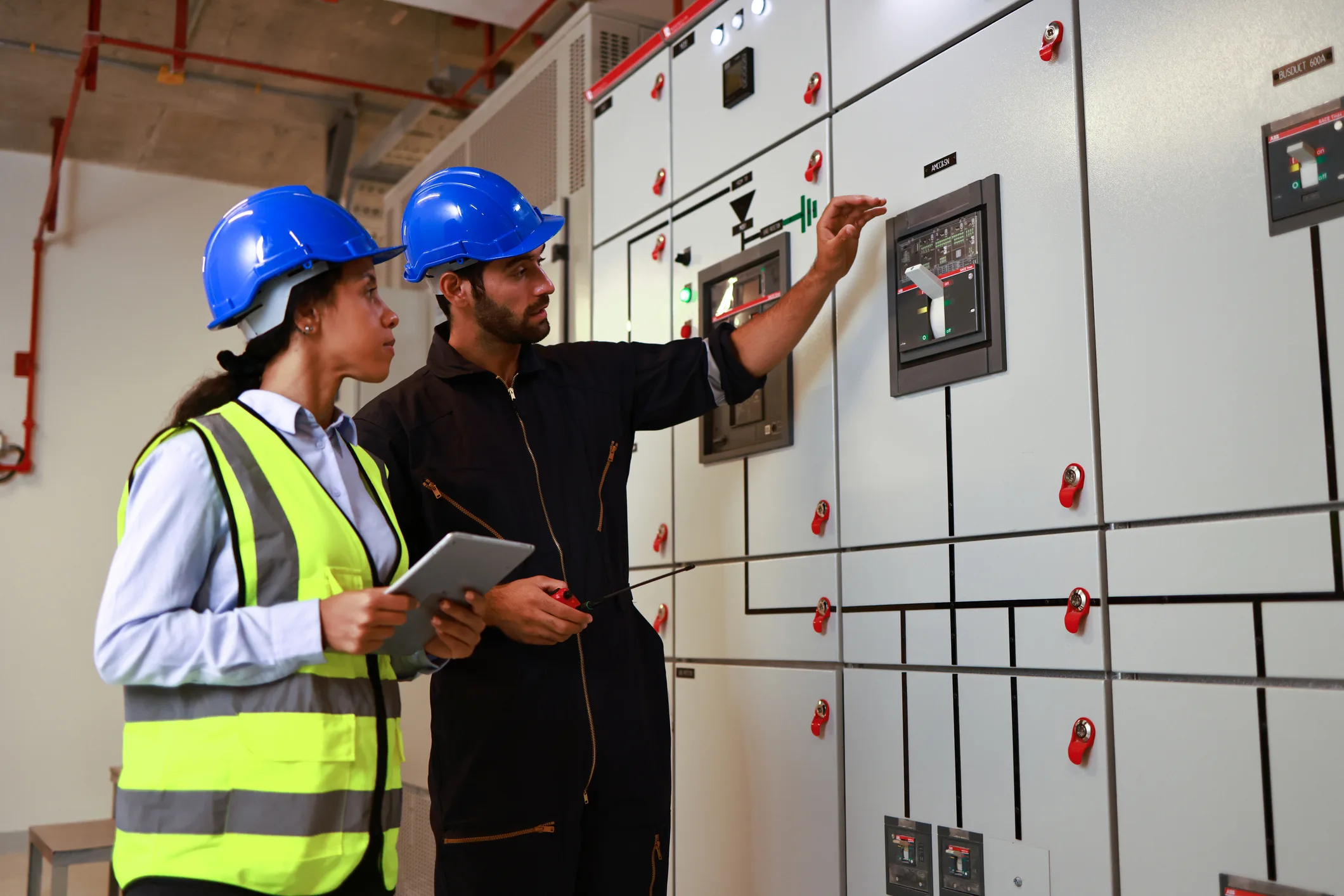
Remote monitoring can reduce the number of times technicians need to enter the substation. It also enables predictive and preventive maintenance based on actual equipment condition.
When process automation and substation automation are integrated, operators can access information about:
- Transformer condition
- Circuit-breaker health
- Protection-relay activity
- Fault records
- Electrical asset performance
- Maintenance requirements
Standards such as IEC 61850 can support the exchange of information between substation and process automation systems.
The result is more than a convenient dashboard. Integrated control systems can help classify events, notify personnel and coordinate responses across electrical, process and safety systems.
“Safety is not simply a compliance requirement. It is a design outcome.” A safer substation can reduce worker exposure, support faster maintenance and help facilities attract and retain skilled technical personnel.
-
Build reliability and efficiency into the design
Heavy industrial substations operate in demanding environments. Coastal salt, chemical pollutants, dust, extreme temperatures, wildlife, flooding and severe weather can all threaten exposed electrical equipment.
Reliability must therefore be designed into the substation from the beginning.
Consider enclosed and gas-insulated technologies
Gas-insulated switchgear can protect critical components from environmental exposure by enclosing them in a sealed system.
Compared with traditional air-insulated equipment, enclosed technologies can offer:
- A smaller physical footprint
- Reduced exposure to contamination and weather
- Fewer maintenance requirements
- Improved protection from external objects and wildlife
- Greater suitability for space-constrained or harsh environments
The best technology choice will depend on the facility’s location, operating conditions, environmental objectives, maintenance strategy and total lifecycle cost.
Reduce the number of failure points
Equipment with fewer components and moving parts generally has fewer opportunities for mechanical failure.
Modern circuit-breaker technologies, disconnecting circuit breakers and magnetic actuators can reduce component counts, simplify maintenance and improve troubleshooting.
This does not mean selecting equipment solely because it is newer. It means evaluating the complete lifecycle:
- How often will it require maintenance?
- How many spare parts must be stocked?
- How quickly can failures be diagnosed?
- Can maintenance be performed safely?
- What is the impact of a component failure on plant operations?
Use condition-based maintenance
Integrated monitoring systems provide visibility into the health of electrical assets. Instead of relying only on fixed maintenance intervals, operators can use equipment data, protection records and condition indicators to identify developing problems.
This approach can help facilities:
- Detect degradation earlier
- Avoid unnecessary maintenance
- Improve spare-parts planning
- Reduce unplanned outages
- Extend equipment life
- Coordinate electrical and process maintenance activities
Reliability is not simply about preventing failure. It is also about understanding the condition of the system well enough to make better operational decisions.
Choose a partner with a systems perspective
Industrial substations do not operate in isolation. They connect the utility grid to a complex process facility, and their performance depends on how those systems interact.
That is why the engineering partner matters.
A capable provider should understand:
- Utility interconnection requirements
- Load-flow and short-circuit studies
- Motor starting and power-quality analysis
- Protection and coordination
- Substation automation
- Process control integration
- Equipment procurement and supply-chain risks
- Construction, commissioning and long-term service
This systems perspective becomes especially important when facilities are built in remote locations or in areas with weak utility infrastructure.
A turnkey partner can also simplify project execution by providing one point of accountability across design, equipment, integration, commissioning and lifecycle support.
Design for the next 30 years—not just the next project milestone
A substation is a long-term asset. Decisions made during early design can affect safety, reliability, operating costs and production performance for decades.
The most effective projects begin by asking three questions:
- Does the configuration match the plant’s actual electrical and process requirements?
- Does the design minimise personnel exposure and manage electrical hazards?
- Will the equipment remain reliable and maintainable in its operating environment?
The cost of a more robust design may be higher at the beginning. But the cost of outages, equipment damage, environmental incidents, injuries and emergency repairs can be far greater.
Risks do not always arrive in the form of a major storm or catastrophic equipment failure. Sometimes they arrive unexpectedly—and the substation must be ready.
For heavy industrial facilities, safety, reliability and efficiency are not separate objectives. They are interconnected outcomes of better design.