

 Back to news

Food manufacturers operate in one of the most demanding industrial environments.
Production targets are tight. Downtime is expensive. Equipment is expected to run around the clock and maintenance windows are often measured in hours rather than days.
Against that backdrop, it’s understandable that the focus is on keeping production moving.
The problem is that electrical systems don’t stand still.
Production lines are extended. New machinery is installed. Distribution boards are modified. Protective devices are replaced. Individually, these changes may appear minor, but together they can fundamentally alter the way an electrical system behaves during a fault.
That’s why an Arc Flash risk assessment should never be viewed as a one-off exercise carried out simply to satisfy compliance. It’s an important part of understanding whether the electrical risks on your site are still being managed effectively.
Why food manufacturing presents unique challenges
Food production environments place electrical installations under constant pressure.
Moisture, washdown procedures, temperature changes and continuous operation all affect the condition of electrical equipment over time. Add years of plant modifications and it’s easy to see why assumptions based on the original installation can become unreliable.
We’ve visited sites where electrical infrastructure has evolved over decades. New distribution boards have been added, production lines relocated and temporary alterations quietly become permanent. Everything appeared to be operating normally, yet the original electrical studies no longer reflected the installation that engineers were working on every day.
That’s where hidden risks begin to develop.
The greatest hazards are often the ones you can’t see
Many people expect dangerous electrical equipment to show obvious signs of deterioration.
In reality, that’s rarely the case.
Some of the highest incident energy levels we’ve identified have been on equipment that looked perfectly serviceable from the outside. It was only through detailed modelling of the electrical network that the true level of risk became clear.
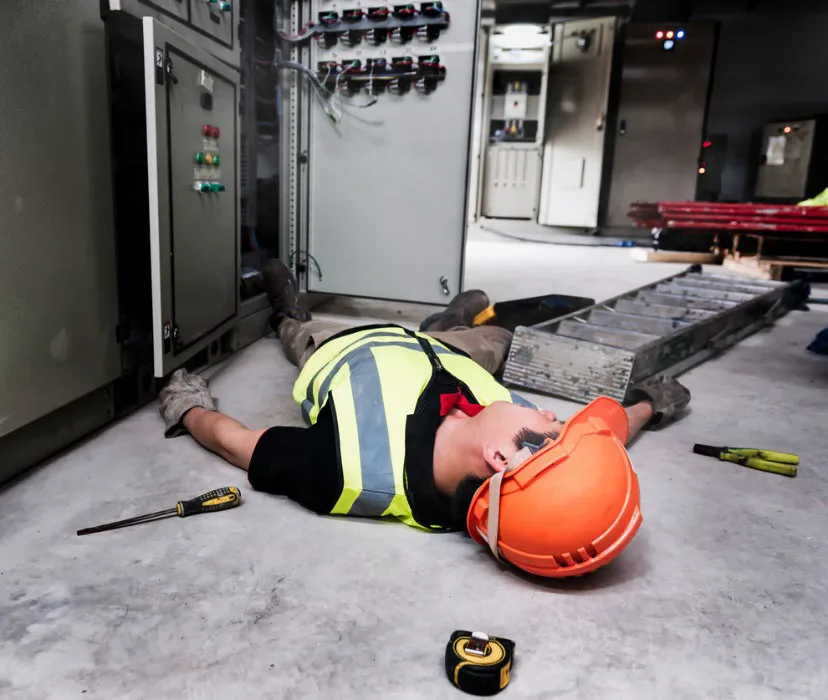
Without that analysis, engineers could have been working on equipment capable of producing an arc flash with life-changing consequences.
That’s why visual inspection alone can never tell the full story.
An arc flash assessment is more than a calculation
It’s easy to think of an Arc Fash study as producing labels and technical reports.
It provides something much more valuable.
It helps organisations understand how their electrical network behaves, where the greatest risks lie, and what practical steps can be taken to reduce them.
That may involve reviewing protection settings, improving discrimination, updating documentation, introducing safer working practices or changing maintenance priorities.
The report itself isn’t the outcome. It’s the information that enables better decisions.
Maintenance and modifications can quietly increase risk
Electrical systems are constantly evolving.
Additional production equipment, upgraded drives, replacement switchgear and changes to incoming supplies all influence fault current and protection performance.
One of the biggest mistakes organisations make is assuming that an Arc Flash assessment conducted several years ago is still valid today.
If the electrical network has changed, the risk level may have changed too.
Regular reviews help ensure that studies continue to reflect the installation as it exists now, rather than the one that existed when the original report was produced.
People make the biggest difference
Engineering managers often ask us what the single most effective way of reducing electrical risk is.
The answer is rarely a single piece of equipment.
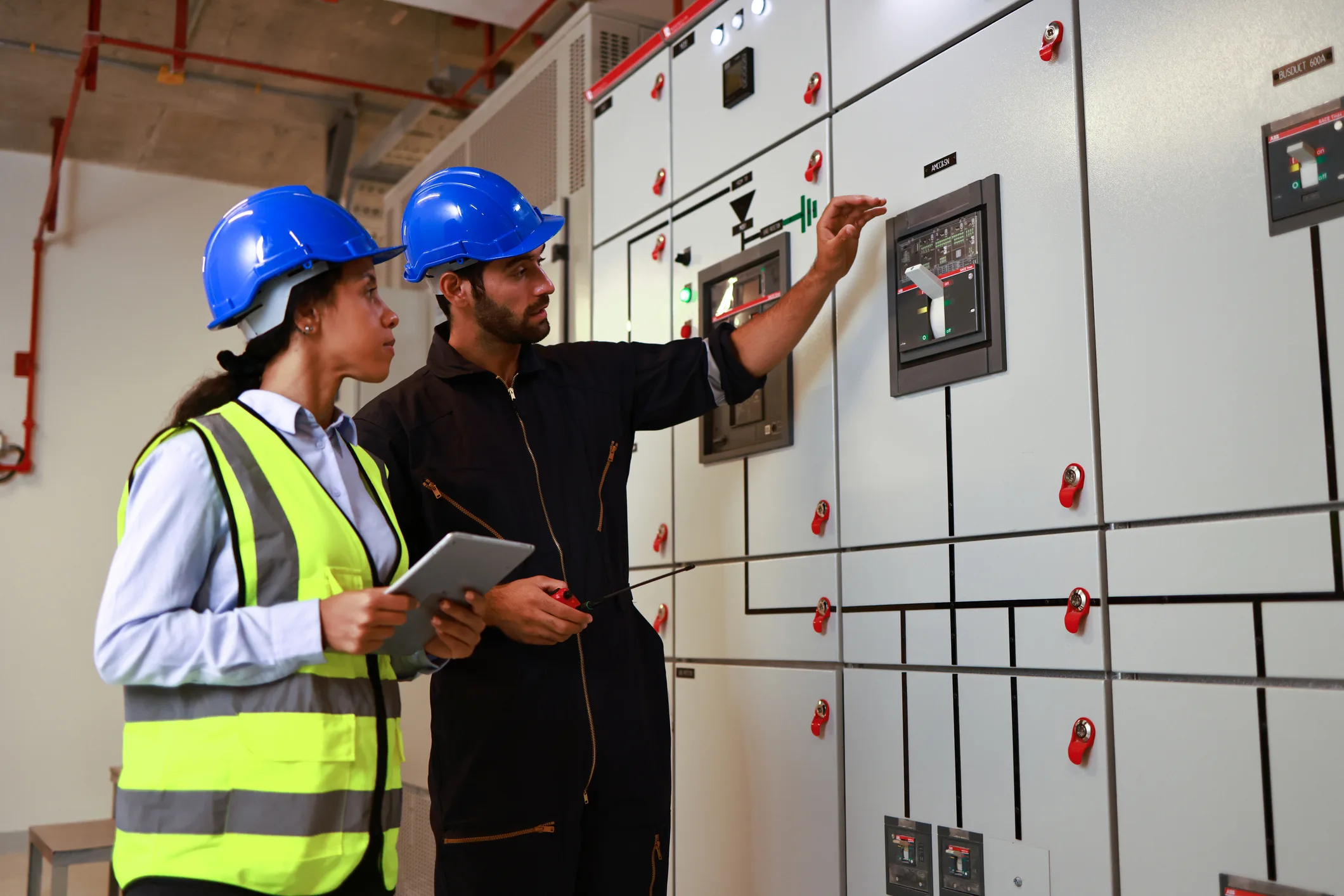
It’s having competent people who understand both the hazards and the procedures designed to control them.
Even experienced engineers benefit from regular refresher training. Standards evolve; equipment changes and familiarity can sometimes encourage shortcuts.
Good training reinforces safe isolation procedures, helps engineers understand what Arc Flash labels mean and gives them the confidence to challenge unsafe situations before they become incidents.
The organisations with the strongest electrical safety records don’t simply invest in equipment. They invest in their people.
Building a safer electrical future
An Arc Flash risk assessment is one element of a much wider electrical safety strategy.
When it’s supported by planned maintenance, competent engineers, effective training, clear procedures and a well-managed Electrical Safety Management System, organisations are in a far stronger position to protect both their people and their business.
That’s the approach we encourage at ESUK.
Our work doesn’t stop when the report is issued. We help organisations understand the findings, prioritise improvements, review protection coordination, deliver electrical safety training and strengthen the management systems that keep electrical safety at the heart of everyday operations.
Because reducing electrical risk isn’t about producing another report.
It’s about making sure everyone goes home safely at the end of every shift.
If you’d like to discuss your current Arc Flash assessment, review your electrical safety arrangements or understand how ESUK can support your organisation, call 0800 652 1124 or email info@elecsafety.co.uk.