

 Back to news

The Hidden Danger in Facilities Management
In facilities management, safety is often measured by what hasn’t happened.
No incidents. No downtime. No disruption.
But when it comes to arc flash, that can be a dangerous assumption.
Because the reality is this:
If you haven’t carried out an arc flash study, you don’t know your level of risk.
Arc Flash: The Risk You Can’t Afford to Overlook
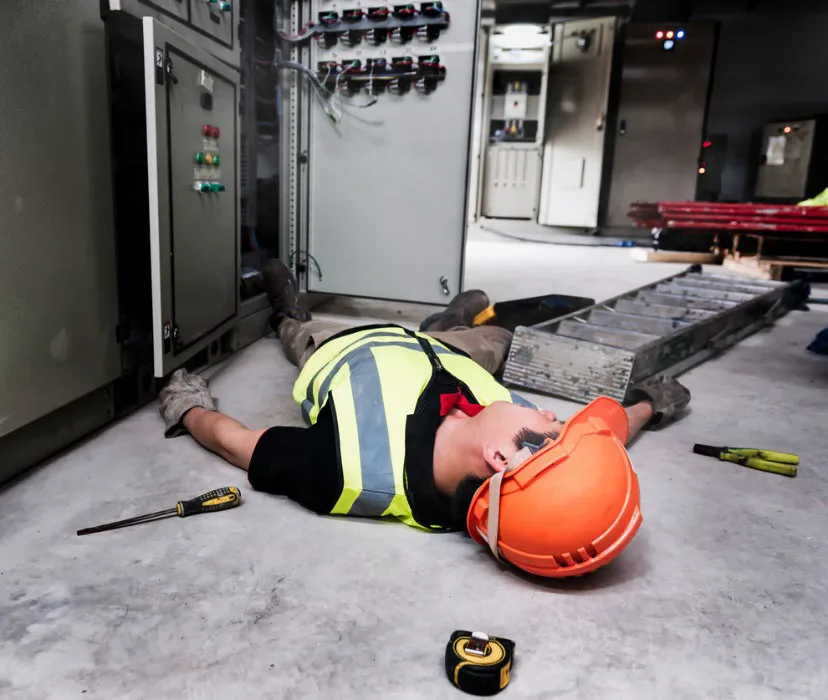
An arc flash is not a minor electrical fault.
It is a violent release of energy capable of:
- Temperatures hotter than the surface of the sun
- Severe burns and life-changing injuries
- Total equipment failure
- Significant operational downtime
And in many cases, the trigger is routine interaction with electrical equipment.
Not failure. Not negligence.
Just normal work in an unquantified risk environment.
Why Facilities Managers Are Exposed
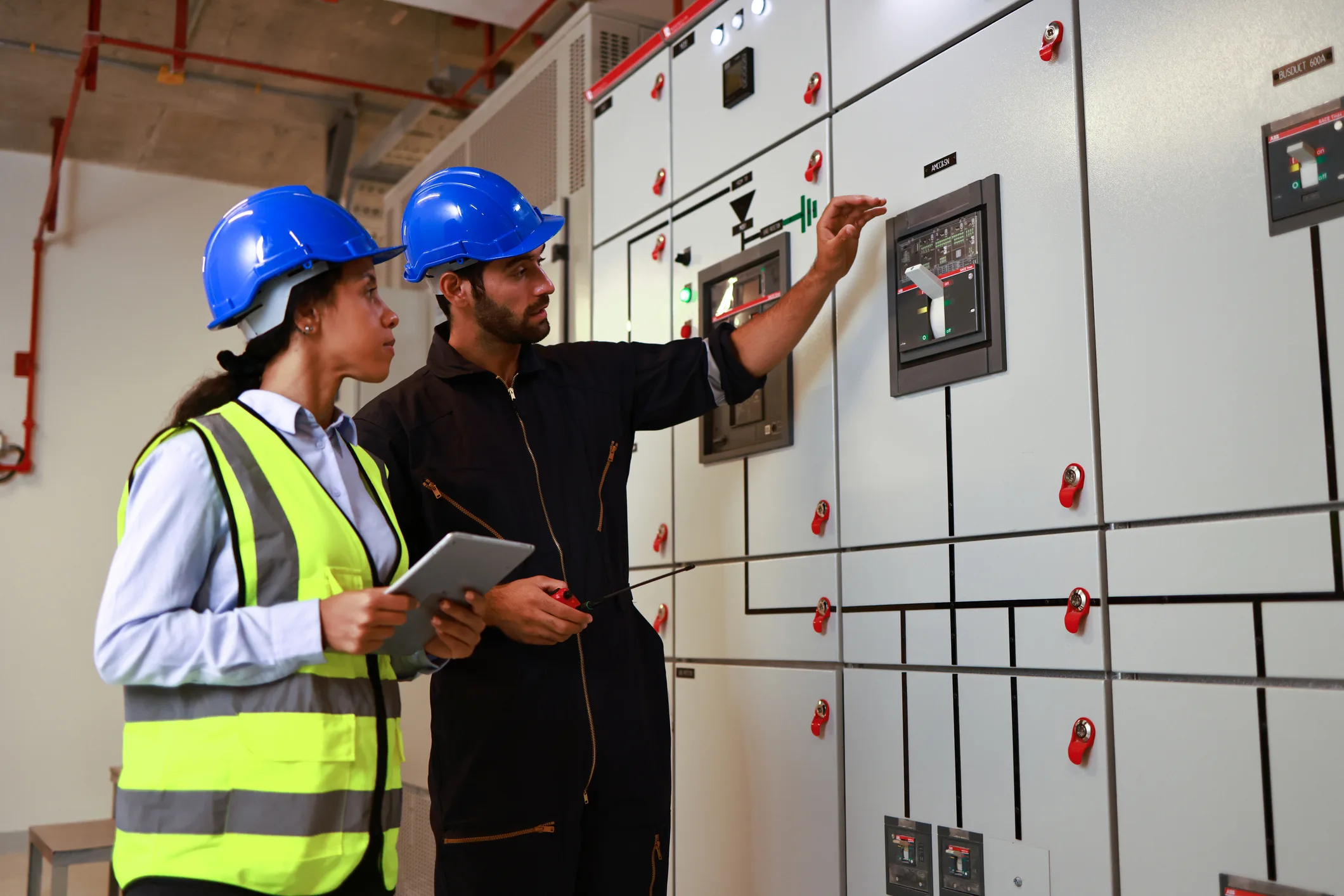
Facilities teams sit at the centre of operational responsibility:
- Maintaining ageing infrastructure
- Managing multiple sites
- Coordinating contractors and internal teams
But without a clear understanding of arc flash risk, critical decisions are made without the full picture.
That includes:
- What PPE is required
- Whether systems are safe to work on live
- Where the highest risk areas exist
Without data, safety becomes assumption.
An Arc Flash Study Changes That
An arc flash study is not a paper exercise.
It gives you real, measurable insight into your electrical risk.
It answers key questions:
- Where are your highest hazard areas?
- What incident energy levels are present?
- What PPE is genuinely required?
- How can risk be reduced at source?
This transforms safety from reactive to controlled.
More Than Compliance — It’s Operational Protection
Yes, UK regulations such as the Electricity at Work Regulations require risk to be managed.
But focusing on compliance alone misses the bigger issue.
Because arc flash incidents don’t just impact safety — they affect:
- Business continuity
- Asset integrity
- Maintenance efficiency
- Cost exposure
One incident can stop operations instantly.
An arc flash study helps prevent that.
The Commercial Case: Reduce Risk, Reduce Cost
Unmanaged electrical risk is expensive.
Not just in the event of an incident — but in everyday inefficiencies:
- Over-specified PPE
- Unnecessary restrictions on working practices
- Unknown system weaknesses
- Reactive maintenance
A properly conducted study allows you to:
- Target investment where it matters
- Reduce unnecessary controls
- Improve system resilience
It’s not just safer. It’s smarter.
What a Proper Study Delivers
A professional arc flash study provides:
- Full system analysis and modelling
- Incident energy calculations
- Defined arc flash boundaries
- Equipment labelling aligned to actual risk
- Clear, actionable recommendations
This becomes a working tool for your teams, not a document that sits on a shelf.
When was yours last reviewed?
If your system has changed, your risk has changed.
Best practice is clear:
- Review every 5 years
- Or sooner, following any system modification
If you’re unsure when your last study was carried out, that’s your starting point.
From Uncertainty to Control
Arc flash risk doesn’t disappear because nothing has happened yet.
It remains — unmeasured, unmanaged, and potentially catastrophic.
Facilities managers who take control:
- Protect their people
- Strengthen operational resilience
- Demonstrate true leadership in safety
Act now.
Speak to one of our Principal Consultants for a free no-obligation discussion.
We’ll help you understand where you stand — and what to do next.