

Keep up to date with company and industry news.
Training news

Electrical Safety Training Isn’t a One-Off: When Should Knowledge Be Refreshed?
Completing electrical safety training shouldn’t mean the subject can be considered dealt with indefinitely.
People change roles. Responsibilities evolve. Equipment changes. Standards and guidance are being developed. Knowledge can fade if it isn’t regularly applied.
Training news

One Size Doesn’t Fit All: Choosing the Right Electrical Safety Training
Electrical safety training is not simply about sending people on a course. Different people have different responsibilities, encounter different hazards and require different levels of knowledge and competence.
Training news

Our Basic Electrical Course Is Now City & Guilds Assured
Have confidence as you develop your knowledge of electricity. We’re pleased to announce that our Basic Electrical course is now City & Guilds Assured.
Training news

ESUK Launches Open Training Courses at SICAME UK, Rochester
Electrical Safety UK (ESUK) is delighted to announce the launch of a new programme of open training courses to be delivered from the SICAME UK training facilities in Rochester, Kent.
Training news

What Does ‘Competence’ Actually Mean in Electrical Safety?
When discussing electrical safety, few terms are used more frequently than “competence”.
Training news

Who is Responsible for Electrical Safety in Your Organisation?
In many organisations, electrical safety is assumed to sit with the engineering team. In others, it’s considered a health and safety function. Sometimes, responsibility is quietly pushed down the chain without clear ownership.
Training news

Maintaining Electrical Competence: What BS 7671:2018 + A4:2026 Reinforces
Electrical safety is built on principles that remain constant — even as standards evolve. Clear responsibility, competent people, and systems that support safe decision-making form the foundation of effective electrical risk management.
Training news
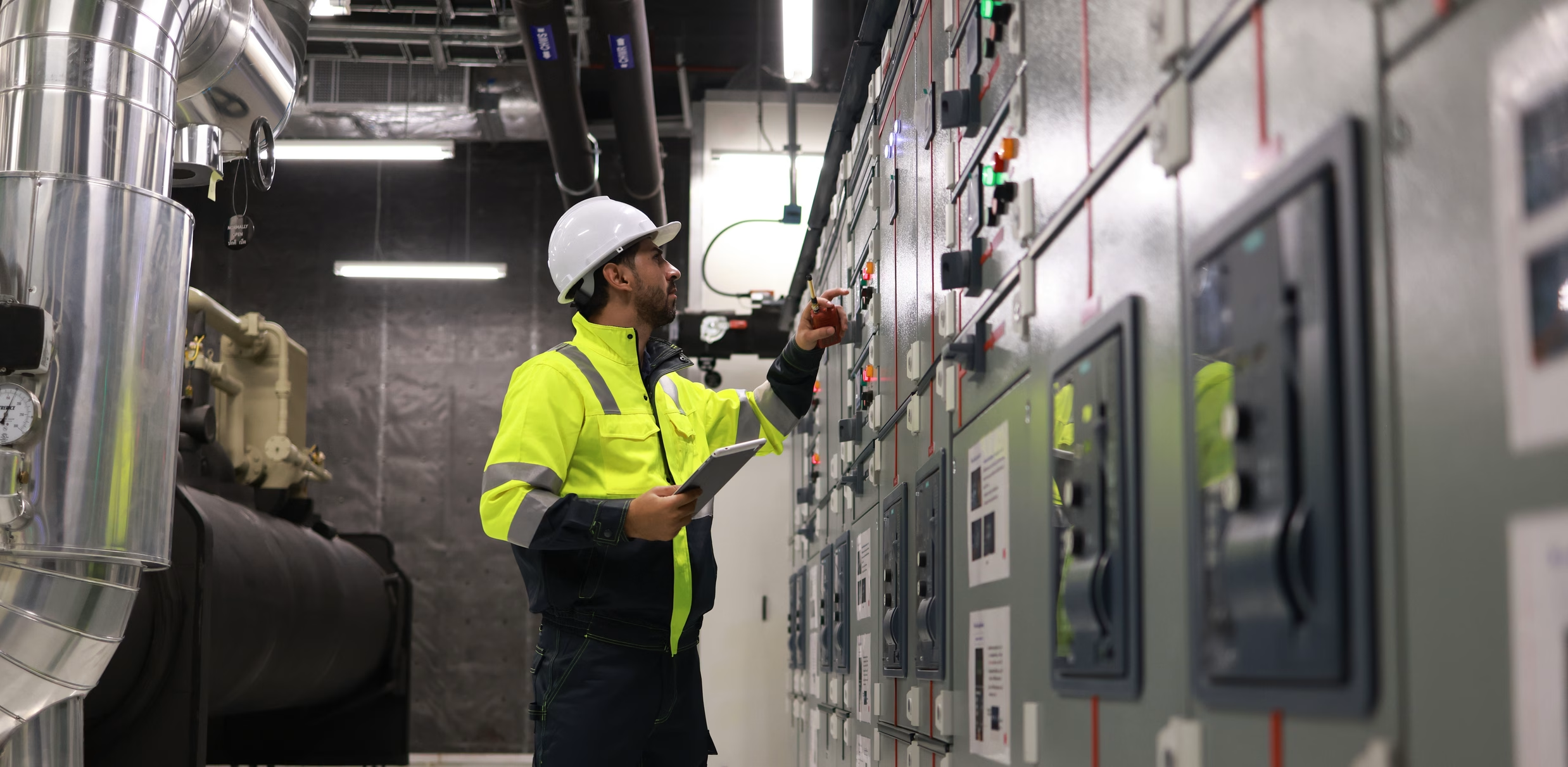
Why Refresher Training Keeps Electrical Safety on Track
Electrical safety knowledge can fade over time, particularly where tasks are infrequent or systems evolve. Refresher training plays a crucial role in reinforcing good practice, addressing knowledge gaps, and ensuring competence remains current.
Training news

Recognising Certification Excellence: Why It Matters
Certification plays a vital role in demonstrating competence, accountability, and professionalism in electrical safety-critical roles. For individuals, it validates skills and knowledge. For organisations, it provides assurance that work is being carried out by suitably qualified and assessed personnel.
Training news
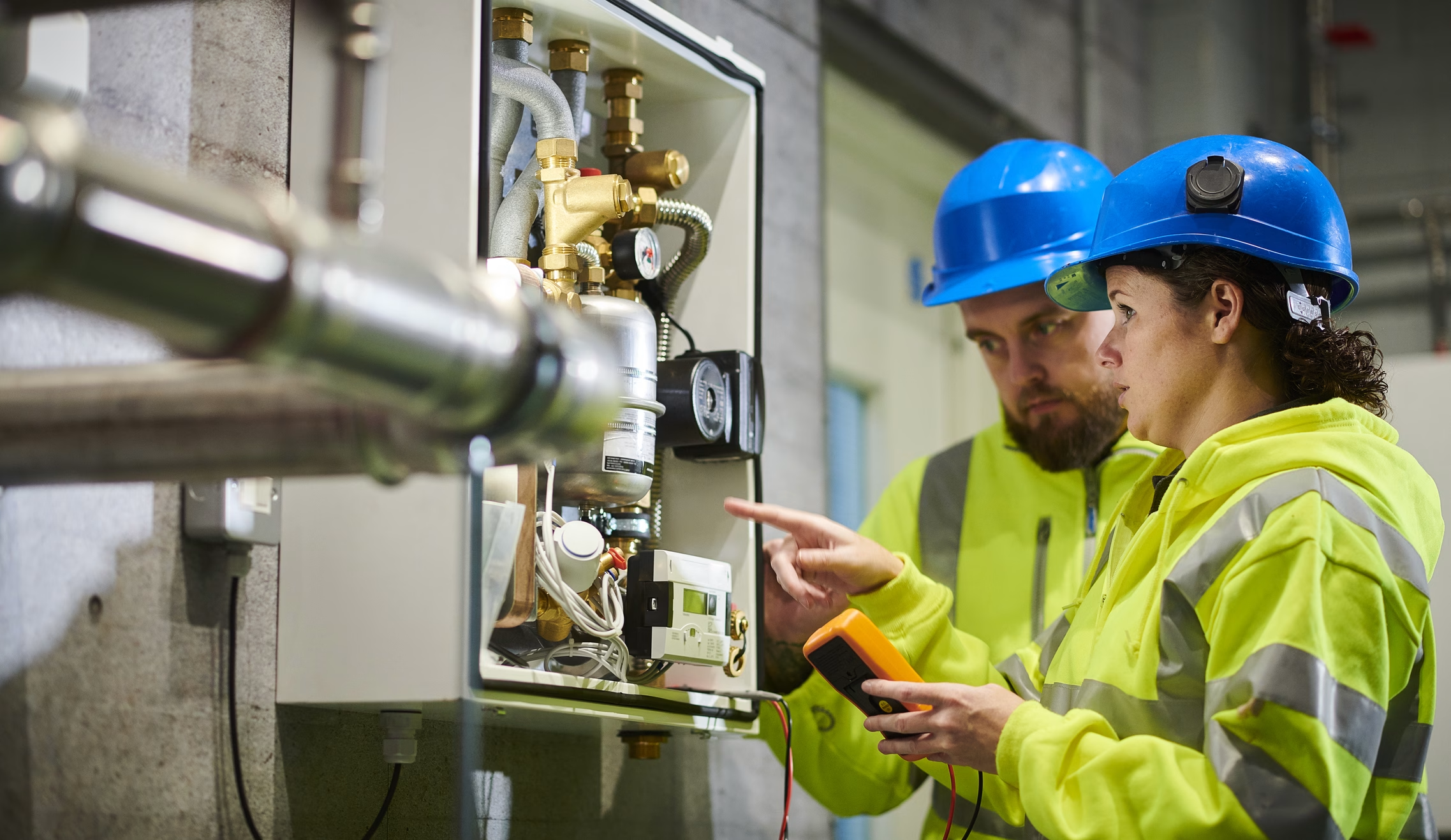
Why Ongoing Electrical Safety Training Is Essential
Electrical safety is not static. Systems change, standards evolve, and roles develop over time. Ongoing training ensures that competence is maintained, risks are controlled, and organisations remain compliant as their operations grow and change.
Training news

Why Advanced Electrical Training and Certification Matters
As electrical systems become more complex, the risks associated with poor decision-making, outdated knowledge, or insufficient competence increase significantly. Advanced electrical training and certification play a critical role in ensuring that those responsible for complex systems have the skills, authority, and confidence to work safely and compliantly.
Training news

Your Questions Answered: ESUK Core Training FAQs
Choosing the right electrical safety training can raise important questions. At ESUK Core, we regularly speak to organisations who want clarity on course suitability, delivery methods, and compliance requirements. Below, we address some of the most common questions to help you make informed decisions.
Training news

Close the Competency Gap: Enhance Skills with ESUK Core Training
In today’s evolving industrial workplace, ensuring your team’s electrical safety competence is essential. ESUK Core Training provides targeted programmes designed to bridge skill gaps, improve workplace safety, and foster regulatory compliance.
Training news

Spotlight on ESUK Core: Key Training Courses Explained
In today’s fast-paced industrial landscape, ensuring electrical safety is paramount. ESUK Core offers a diverse range of training programmes designed to equip professionals across various sectors with the knowledge and skills necessary to maintain high safety standards.
Training news
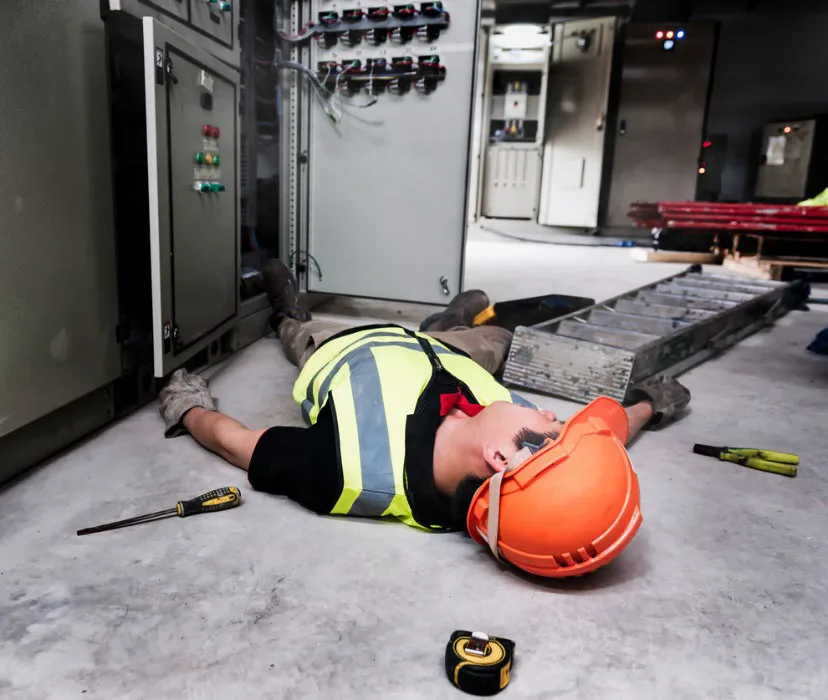
The Crucial Role of First Aid Training in the Electrical Industry
In the vast landscape of modern industry, few sectors are as vital and potentially hazardous as the electrical industry. From power generation and transmission to installation and maintenance, the daily routines of electricians, technicians and engineers are woven with risks that demand a culture of vigilance, technical expertise, and proactive safety. Perhaps the most critical, and sometimes underestimated pillar in this edifice of safety is first aid training. Its importance cannot be overstated, not simply as a regulatory requirement but as a lifeline that empowers individuals to act swiftly and decisively in moments where every second counts. And when undertaking work on or near to electrical systems circumstances can change dramatically within a split second.
Training news

Close the Gap: Introducing ESUK Core Training
In today’s fast-paced industrial landscape, ensuring electrical safety is paramount. ESUK Core offers a diverse range of training programmes designed to equip professionals across various sectors with the knowledge and skills necessary to maintain high safety standards.
Training news
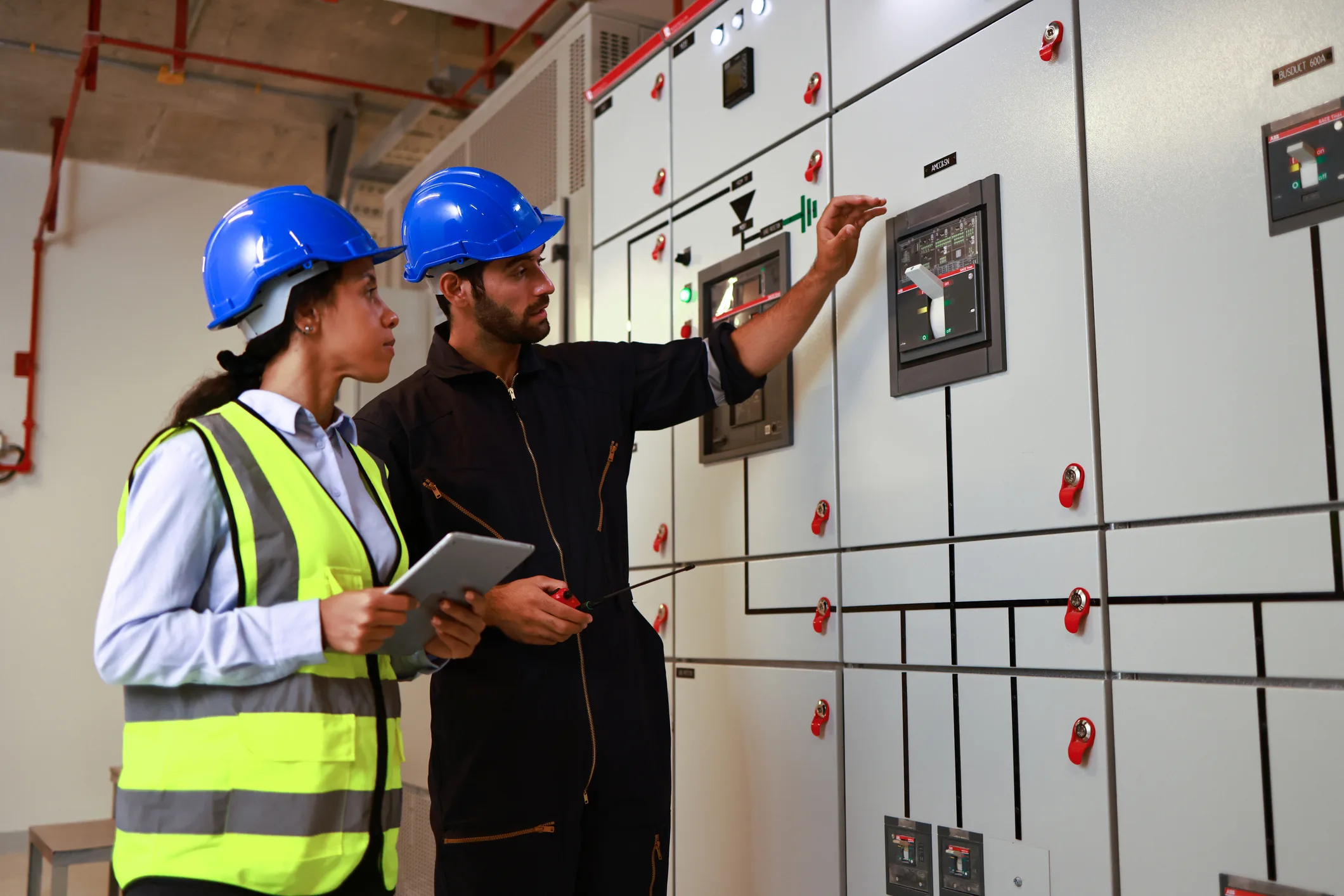
The Benefits of Hands-on Training in Electrical Courses
Many years ago, I embarked on becoming a High Voltage Authorised Person, starting with attending a two-week theory and practical training session at a specialist residential training facility. I remember the food was first class and the training was second to none, with the tutors providing the perfect balance of emphasising the risks present and the reassurance that we could all succeed.
Training news

The Importance of Continuing Education in the Electrical Industry
When I was at secondary school, I had three clear career paths in mind: become a Police Constable (now a police officer), become a Paramedic (a job role so new to the UK at the time that my careers advisor hadn’t even heard of it), or become a teacher.
Training news
Understanding Electrical Safety Standards: A Beginners Guide
We need to be aware of many rules and regulations within the Electrical Industry. Some rules and regulations are legal requirements that we must comply with, while others are not legally enforceable but give us details on what we must do to comply with the law.
Training news

How online courses compare to in-person training
Most of my electrical training has been completed face-to-face in a college or a training centre environment. My first degree was achieved through the Open University, which introduced me to the concept of directed self-study, completing workbooks and assignments, attending tutorials and workshops, and using online forums and webinars with the advent of the internet.
