

 Back to news

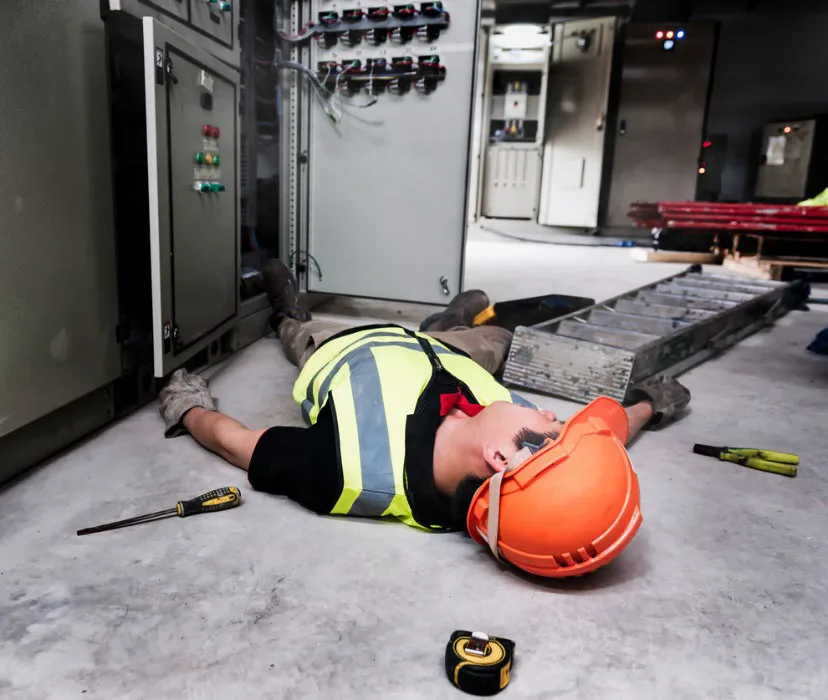
Arc flash incidents are not only a personnel safety concern—they can also cause equipment damage, extended downtime, production losses, and significant business disruption.
While training and personal protective equipment remain important, the most effective risk-reduction strategies begin with “engineering controls”. By improving the way electrical systems are designed, protected, isolated, and maintained, organisations can reduce the likelihood and severity of arc flash events before workers ever enter the hazard zone. Here at ESUK we have over 20 years of experience of helping our clients improve the electrical safety management and we are leaders in arc flash risk management.
The Role of Switchgear and Protection Systems
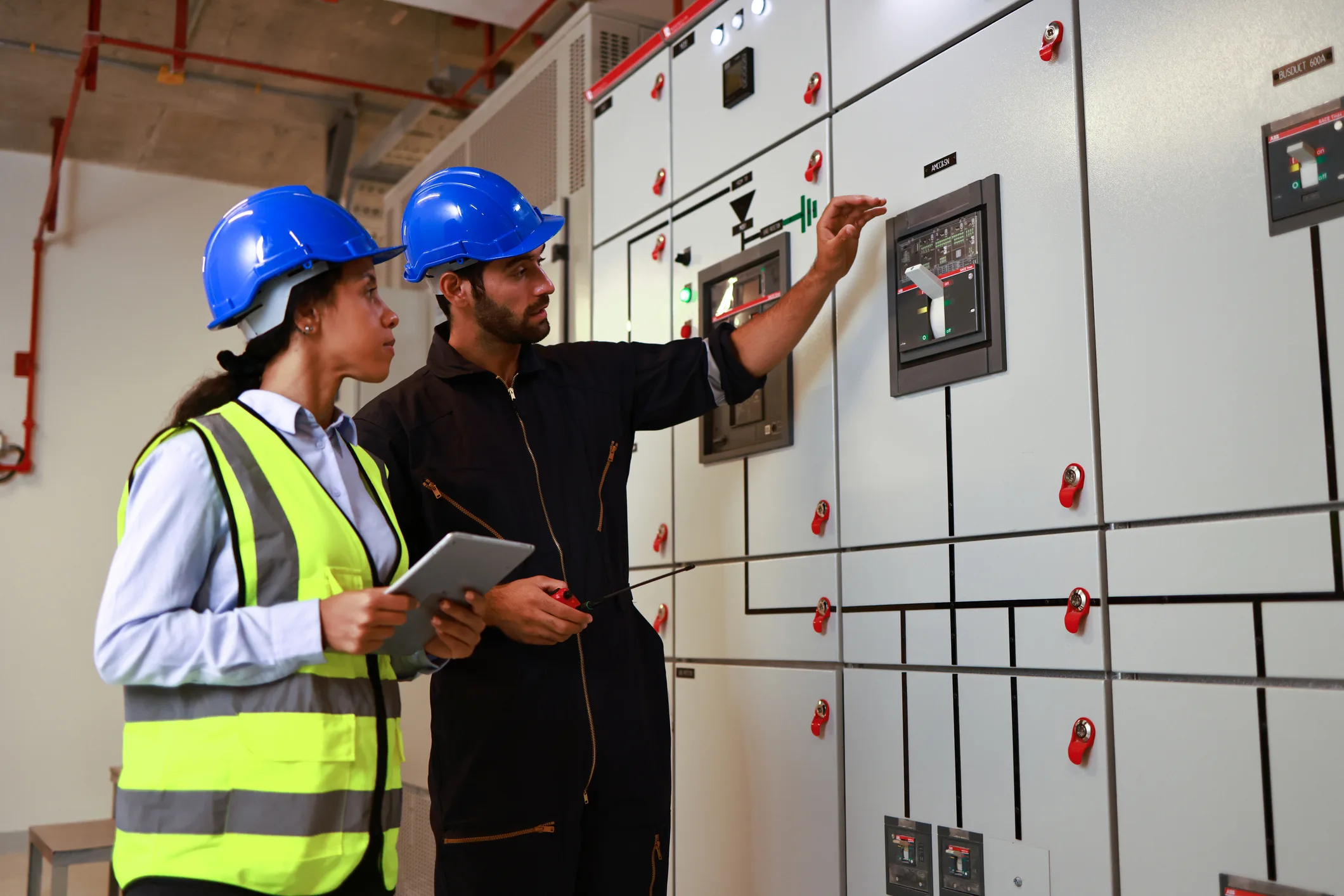
Switchgear and protective devices are the first line of defence when an electrical fault occurs. Their purpose is to detect abnormal conditions quickly and interrupt fault current before it can escalate.
Well-coordinated protection systems can help:
- Reduce arc flash energy by clearing faults faster
- Limit damage to transformers, switchboards, and distribution equipment
- Improve system selectivity and minimise unnecessary outages
- Support safer maintenance and troubleshooting activities
- Protect personnel from high-energy fault conditions
Protection settings should be reviewed as part of a complete system analysis—not treated as a one-time commissioning task.
Changes to system configuration, utility service, transformer capacity, motor loads, or backup generation can affect available fault current and clearing times.
Routine coordination reviews help confirm that protective devices are still performing as intended. ESUK can carry out a protection study for you that will include prioritised improvements and cost estimates.
Electrical Isolation Best Practices
Effective isolation is essential before electrical work begins. However, isolation is more than opening a disconnect. It requires a controlled process that confirms the equipment is de-energised and cannot be unintentionally re-energised.
Best practices include:
- Identify all energy sources – Consider utility feeds, generators, photovoltaic systems, stored energy, back feeds, control circuits, and interconnected equipment.
- Use clearly labelled disconnecting means – Labels should be accurate, durable, and easy to understand from the point of work.
- Establish a documented isolation process – Procedures should identify who is responsible for isolation, verification, and re-energisation.
- Verify the absence of voltage – Testing should be performed using properly rated equipment, with the test instrument verified before and after testing.
- Control remote operation – Remote controls, automatic transfer systems, and communication-based switching should be considered during isolation planning.
- Maintain isolation points – Isolators, breakers, shutters, interlocks, and earthing provisions must be inspected and maintained so they function when needed.
A reliable isolation strategy combines equipment design, labelling, procedures, and worker competency verification (authorisation).
Safer System Design Tips
The best time to reduce arc flash risk is during system design. Incorporating safety into the design can reduce reliance on administrative controls and PPE later.
Consider the following design improvements:
- Use remote operation where practical – Remote racking, remote switching, and remote monitoring can allow workers to operate equipment outside the arc flash boundary.
- Specify arc-resistant equipment where appropriate – arc-resistant switchgear may help direct fault gases and energy away from personnel or contain the arc flash and it’s hazards when installed and operated according to its design requirements.
- Improve equipment accessibility – Designing clear working space, adequate lighting, and safe access routes reduces the chance of errors during inspection and maintenance.
- Separate equipment and energy sources – Physical separation of feeders, control circuits, and redundant sources can reduce exposure and simplify isolation.
- Include visible status indicators – Voltage indication, breaker position indication, and remote monitoring systems can provide valuable information before equipment is opened or accessed.
- Maintain accurate documentation – Up-to-date single-line diagrams, equipment labels, protection settings, and incident energy information are essential for safe decision-making.
Upgrade vs. Risk: Making the Right Comparison
When an electrical upgrade is proposed, the initial question is often: “What will it cost?”
A more complete question is: “What risk will this upgrade reduce?”

Not every facility requires the same solution. The right approach depends on system age, available fault current, equipment condition, maintenance practices, operating procedures, and the work employees perform.
The key is to prioritise upgrades based on risk—not simply equipment age or replacement cycles.
Engineering Controls Should Be Part of a Larger Strategy
Arc flash risk reduction is most effective when engineering controls, safe work practices, training, and PPE work together. ESUK provide a total service when it comes to arc flash risk management, which includes arc flash, short circuit and coordination studies; improvement recommendations; training; and electrical safety rules reviews and improvements.
A strong program should include:
- A current electrical system assessment
- Accurate arc flash and coordination studies
- Clearly marked equipment and isolators/breakers
- Reliable lockout/tagout procedures
- Preventive maintenance and testing
- Worker training and job planning
- A documented plan for corrective upgrades
Engineering controls can prevent incidents, reduce exposure, and make the electrical system more predictable. They also provide long-term value by improving reliability, maintainability, and operational confidence.
Is Your Electrical System Designed for Today’s Risk?
System expansions, ageing switchgear, added generation, and changes in operating conditions can all increase electrical risk. A site evaluation can help identify where your current controls are effective—and where targeted improvements may be needed.
A Call to Action
A robust Electrical Safety Management System (ESMS) and Arc flash studies are critical to a comprehensive safety strategy, offering protection, compliance, and operational efficiency. By investing in these systems/studies, managers safeguard their workforce and infrastructure and foster a culture of safety that benefits the entire organisation. Prioritise ESMS and arc flash studies today and proactively step towards a safer and more efficient facility. Your ESMS and arc flash study should be reviewed every 5 years, or sooner, if you are making changes to your electrical system. Take advantage of a free consultation with one of our Principal Consultants to discuss your needs and have your questions answered. Book a site evaluation to review your electrical system, identify practical risk-reduction opportunities, and prioritise upgrades that support safer operations. We can provide you with a fixed price, no obligation, quotation for your electrical safety needs including training.
Give us a call on 0800 652 1124, email us at info@elecsafety.co.uk or contact us through our website at https://elecsafety.co.uk/about/contact/