

 Back to news


Electrical safety responsibilities can feel complicated – but the core principle is straightforward: employers and others with control over electrical systems must manage the risks within their control and take appropriate steps to prevent danger.
In Great Britain, the Electricity at Work Regulations 1989 set out duties relating to electrical systems, work activities and protective equipment. That includes how electrical equipment is selected, used, maintained and worked on.
Employer responsibilities, simplified
In practice, this means making sure:
- Electrical risks are identified and assessed.
- Equipment and systems are suitable for the conditions in which they’re used.
- Maintenance and safe systems of work are in place.
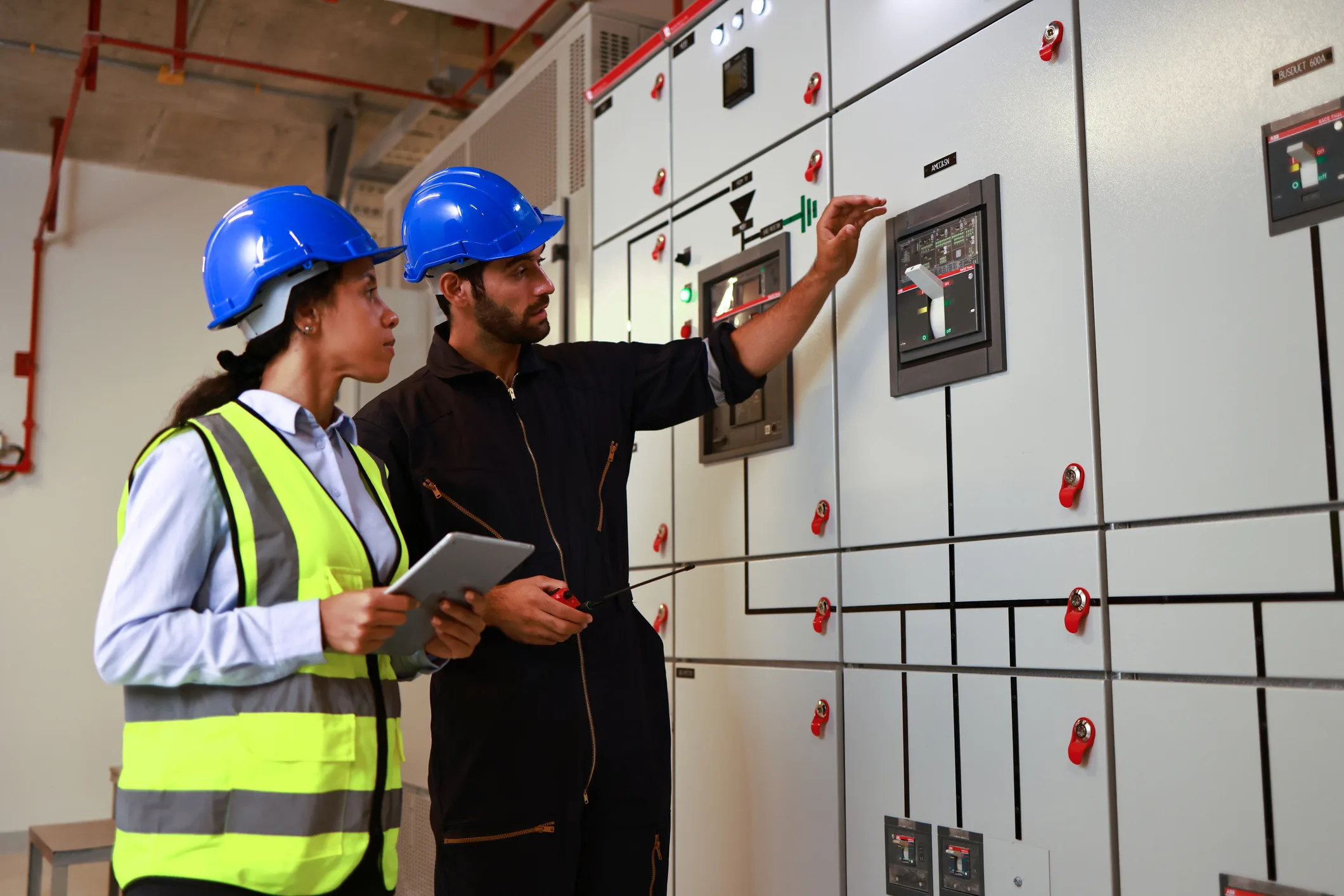
- Work is carried out by people with the necessary competence.
- Employees understand relevant procedures and precautions.
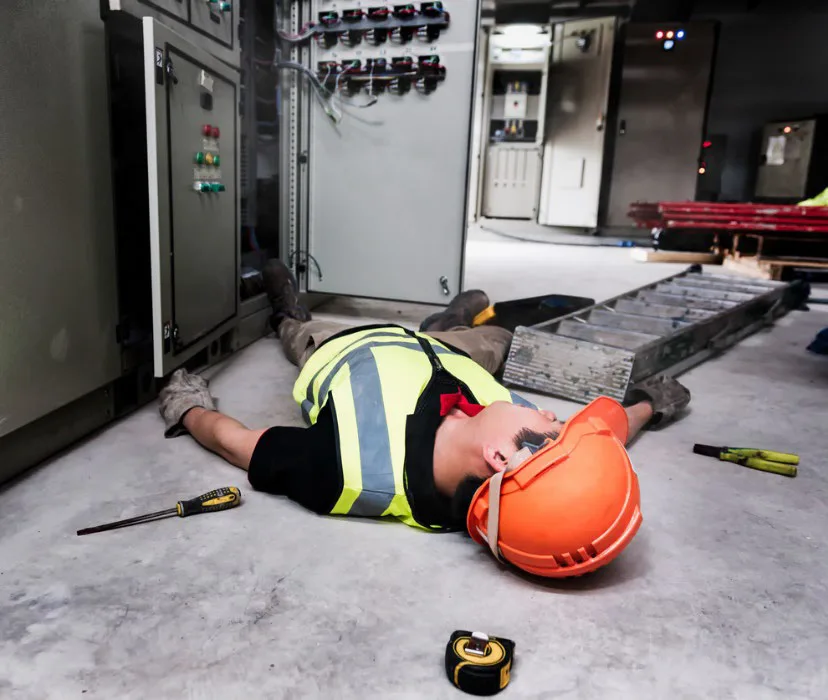
Arc flash risks should be considered as part of managing electrical hazards. The right controls depend on the work, equipment and site—not just a policy document or a label on a panel. HSE guidance covers safe working practices for people working on or near electrical equipment.
A quick electrical compliance checklist
Ask yourself:
- Do you know what electrical systems and equipment are on site?
- Have relevant electrical hazards—including arc flash—been assessed?
- Are safe working and isolation procedures clear and followed?
- Are people doing electrical work competent for the tasks they undertake?
- Are inspections, maintenance and actions recorded and kept under review?
If any answer is “no” or “not sure,” it may be time to take a closer look.
Common compliance gaps
Issues can arise when risk assessments are out of date, equipment changes aren’t reflected in procedures, responsibilities are unclear, or maintenance records don’t show whether identified actions were completed.
A useful first step is to make the risks and responsibilities easier to understand. Short explainer videos can help teams get to grips with key topics—such as employer responsibilities, safe isolation and arc flash—without turning essential guidance into a lengthy technical document.
Not sure where your organisation stands? Electrical Safety UK can help you review your approach, identify potential gaps, train your people and understand practical next steps.
Request a free compliance review from Electrical Safety UK.
This article is general information, not legal advice. Legal requirements depend on your location.