

 Back to news

In recent years, insurers have dramatically tightened their expectations around electrical safety, particularly when it comes to arc flash hazards. For many facility owners, plant managers, and engineering leaders, these new requirements can feel like yet another compliance hurdle. But behind the pressure lies a clear trend: insurers want documented proof that companies are actively reducing electrical risk, and arc flash compliance has become a major factor in underwriting decisions.
As standards strengthen and documentation expectations grow, understanding these changes is not just beneficial – it’s essential for keeping premiums manageable and ensuring insurability. Let’s break down what’s driving the shift, the standards behind it, and what your facility needs to do to stay ahead.
Why Insurance Companies Are Demanding Arc Flash Assessments
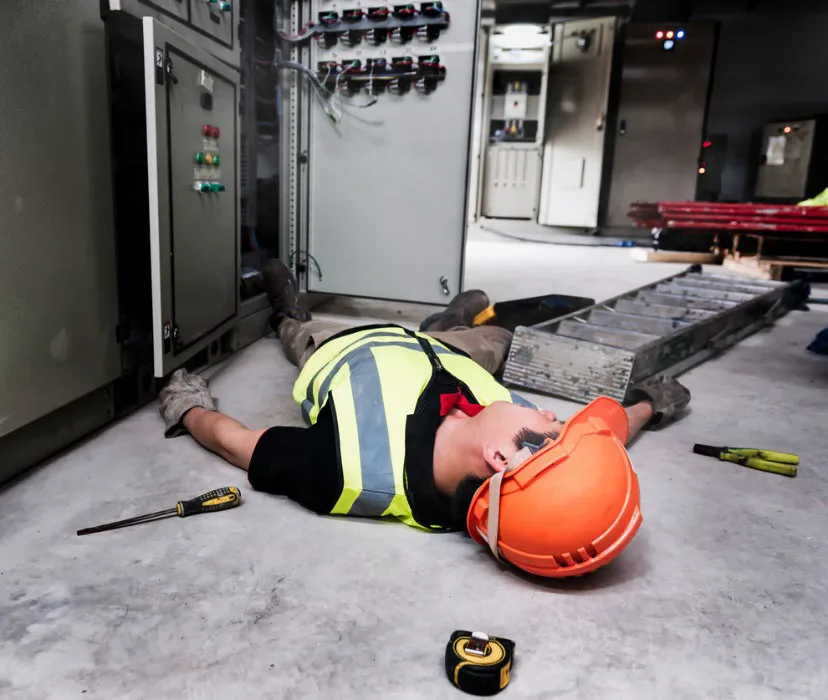
Industrial insurers are increasingly requiring proof of updated arc flash assessments as part of policy renewals. This trend is driven by the financial severity of arc flash incidents. Arc flash explosions can result in catastrophic injuries, major equipment damage, and prolonged downtime, all of which translate to substantial insurance losses.
According to industry analysis, insurers view the absence of current arc flash assessments, up‑to‑date labelling, and documented compliance as a red flag. When these gaps appear, insurers may raise premiums, require corrective actions, or even decline coverage. Their stance is simple: facilities that cannot demonstrate compliance with legislative requirements represent higher risk exposures.
An arc flash study signals that a company takes hazard mitigation seriously. Insurers increasingly treat it not as an optional engineering exercise but as baseline due diligence.
The Standards Behind the Requirements: IEEE 1584, NFPA 70E & TUV 203-077
Insurance requirements are deeply tied to industry standards, and several key updates are shaping expectations:
NFPA 70E (2024): A Risk‑Management Framework
NFPA 70E establishes the process for:
- Evaluating electrical hazards
- Determining approach boundaries
- Implementing administrative and engineering controls
- Defining PPE requirements
NFPA 70E emphasizes that arc flashes are predictable risks when hazards go unmanaged and that compliance must be based on documented system conditions – not assumptions or informal practices.
IEEE 1584-2022: The Calculation Backbone
This standard defines the engineering methods used to calculate incident energy levels and arc flash boundaries – values that must appear on compliant labels. For insurers, these mandatory labels act as verifiable proof that a facility has conducted its assessment and is maintaining its documentation.
What an Arc Flash Assessment Includes — And Why Insurers Expect It
An arc flash assessment (or arc flash study) is essentially a health check on your electrical system. It evaluates the potential incident energy at various points, identifies hazards, and establishes safe working distances.
Insurers expect:
- A current engineering study
- Updated equipment labels
- Proof of good practice compliance
- Documented risk assessments for workers
Without this, the insurer cannot confirm that a facility has appropriately quantified and mitigated the risk.
Updated studies are particularly important because:
- System changes affect fault currents
- Protective devices may need coordination adjustments
Why Arc Flash Labels Matter to Insurers and Inspectors
Labels serve as immediate evidence of engineering diligence.
These labels do more than warn workers – they:
- Standardise hazard communication
- Provide instant visibility of incident energy
- Identify required PPE
- Show when the last assessment was performed
All of these elements help reduce claim risk by lowering the chance of unprotected exposure to arc flash hazards.
Insurers and the HSE can now more readily verify whether an employer has done the necessary work to keep employees safe.
What Happens If You Don’t Meet These Requirements?
Failing to provide proof of an updated arc flash assessment or compliant labels may lead insurers to:
- Increase premiums
- Require corrective upgrades
- Limit coverage
- Deny policy renewal
Some insurers already consider outdated studies or missing documentation as grounds to classify a facility as non‑compliant. Lack of compliance can also expose employers to criticism by the HSE for failure to risk assess known hazards.
What You Should Do Next to Prepare Your Facility?
To remain insurable and compliant with evolving electrical safety expectations, facilities should take six key steps:
- Conduct or update your arc flash assessment.
If your study is more than five years old, insurers may consider it outdated.
- Apply arc flash labels.
Make sure labels include all required data, are durable, and are applied to all applicable equipment types.
- Review your single‑line diagrams and ensure system accuracy.
Outdated diagrams result in inaccurate incident‑energy calculations.
- Align protective device settings with the study.
Poor coordination can contribute to higher incident energies.
- Train employees in arc flash good practices.
Training must match the information on the equipment labels.
- Document everything.
Insurers rely heavily on documentation: assessment reports, labels, training records, and maintenance logs.
Final Thoughts
Insurance companies are not simply becoming stricter for the sake of compliance. They are responding to a clear risk landscape where electrical incidents remain one of the most devastating – yet preventable – hazards in industrial and commercial facilities. Updated arc flash studies, clear labelling, and adherence to industry good practice aren’t just regulatory requirements; they are proactive risk‑management tools.
By embracing these expectations, facilities position themselves to improve worker safety, reduce potential liability, and maintain favourable insurance coverage.
If your electrical safety program hasn’t been reviewed recently, now is the time. The standards are evolving – and insurers are watching closely.
Call to Action
Determining incident energy for each piece of equipment on your network is the first step in risk assessing arc flash. Carry out an arc flash study to determine equipment incident energy levels. By investing in these studies, managers safeguard their workforce and infrastructure and foster a culture of safety that benefits the entire organisation. Prioritise arc flash studies today and proactively step towards a safer and more efficient operation. Take advantage of a free consultation with one of our Principal Consultants to discuss your needs and have your questions answered. We can provide you with a free, no obligation quotation for your arc flash needs including training.
Give us a call on 0800 652 1124, email us at info@elecsafety.co.uk or contact us through our website at https://elecsafety.co.uk/about/contact/.